Common Oral Health Changes During Pregnancy
Pregnancy is a transformative time, bringing many changes to a woman’s body, including her oral health. During pregnancy, hormonal fluctuations can significantly affect oral health, leading to various changes and concerns that require attention and care. Understanding these changes is crucial for maintaining good oral hygiene and preventing potential complications.
One of the most common changes observed is the increased risk of gingivitis, often referred to as ‘pregnancy gingivitis’. Hormonal changes can cause the gums to become more sensitive, leading to inflammation, swelling, and bleeding. This condition is primarily due to the increase in progesterone, which enhances the blood flow to the gum tissue, making it more susceptible to plaque and bacteria.
Apart from gingivitis, some pregnant women may experience an increase in tooth decay. The cravings for sugary snacks and the increased acidity in the mouth due to morning sickness can contribute to this problem. It is essential to maintain regular dental check-ups and practice good oral hygiene to mitigate these risks.

Another potential change during pregnancy is the development of pregnancy tumors, also known as pyogenic granulomas. These are non-cancerous growths that appear on the gums and are typically linked to plaque build-up. Although they might sound alarming, these growths are harmless and usually resolve after childbirth.
Why Gum Health Matters
Gum health is crucial during pregnancy, not only for the mother’s oral health but also for the overall health of the developing baby. Research has shown a connection between severe gum disease and preterm birth, low birth weight, and even gestational diabetes. Ensuring healthy gums can contribute to a healthier pregnancy and reduce the risk of complications.
Bleeding gums during pregnancy should not be ignored. It is a sign of inflammation and can indicate the presence of gingivitis. If left untreated, gingivitis can progress to periodontitis, a more severe form of gum disease that can lead to tooth loss. Therefore, pregnant women should be vigilant about their gum health and seek professional dental advice if they notice any concerning symptoms.
Regular brushing, flossing, and using an antimicrobial mouthwash can significantly improve gum health. Pregnant women should also be mindful of their diet, avoiding sugary foods and beverages that could exacerbate gum issues.

Safe Dental Care During Pregnancy
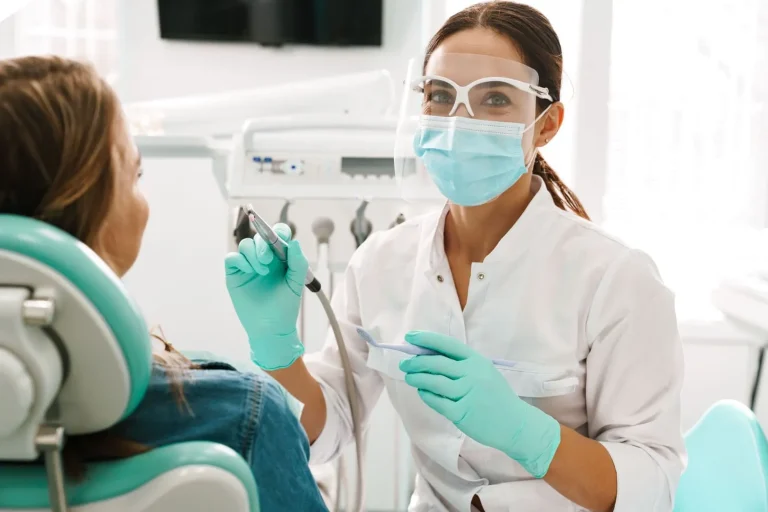
Maintaining dental care during pregnancy is safe and important. However, there are specific considerations to keep in mind. Routine dental check-ups and cleanings are not only safe but recommended. These visits help in monitoring oral health and addressing any issues promptly.
If dental treatments are necessary, the second trimester is often considered the safest period to perform them. By this time, the risk of nausea and discomfort is reduced, and the baby is well into the developmental phase. However, extensive dental procedures should ideally be postponed until after delivery unless they are urgent.
It’s crucial for pregnant women to inform their dentist about their pregnancy to tailor the treatment plan accordingly. Dentists may avoid using certain medications and dental X-rays unless absolutely necessary. When X-rays are required, protective measures such as a lead apron can help minimize exposure to the baby.
In addition to professional care, home dental care is equally important. Using a soft-bristled toothbrush, fluoride toothpaste, and flossing daily can help maintain oral hygiene. Pregnant women should also stay hydrated and rinse their mouth with water after experiencing morning sickness to reduce acid build-up.
In conclusion, pregnancy brings unique challenges to oral health, but with proper care and attention, these challenges can be managed effectively. By understanding the changes, prioritizing gum health, and ensuring safe dental practices, pregnant women can maintain a healthy mouth and support their overall well-being.