What is Plaque?
Plaque is a sticky, colorless film of bacteria that constantly forms on our teeth. It develops when food particles and saliva combine, creating an environment where bacteria thrive. This biofilm adheres to the surfaces of teeth and gums, and if not removed regularly through brushing and flossing, it can lead to various dental issues.
Plaque formation is a natural process, but it becomes problematic when oral hygiene is neglected. The bacteria in plaque produce acids that attack tooth enamel, leading to cavities and tooth decay. Moreover, plaque can irritate the gums, causing gingivitis, an early stage of gum disease characterized by redness, swelling, and bleeding gums.
Effective removal of plaque is crucial to maintaining oral health. Regular brushing, flossing, and routine dental check-ups play an essential role in managing plaque buildup. However, when plaque hardens, it transforms into tartar, a more challenging problem to tackle.
How Plaque Becomes Tartar
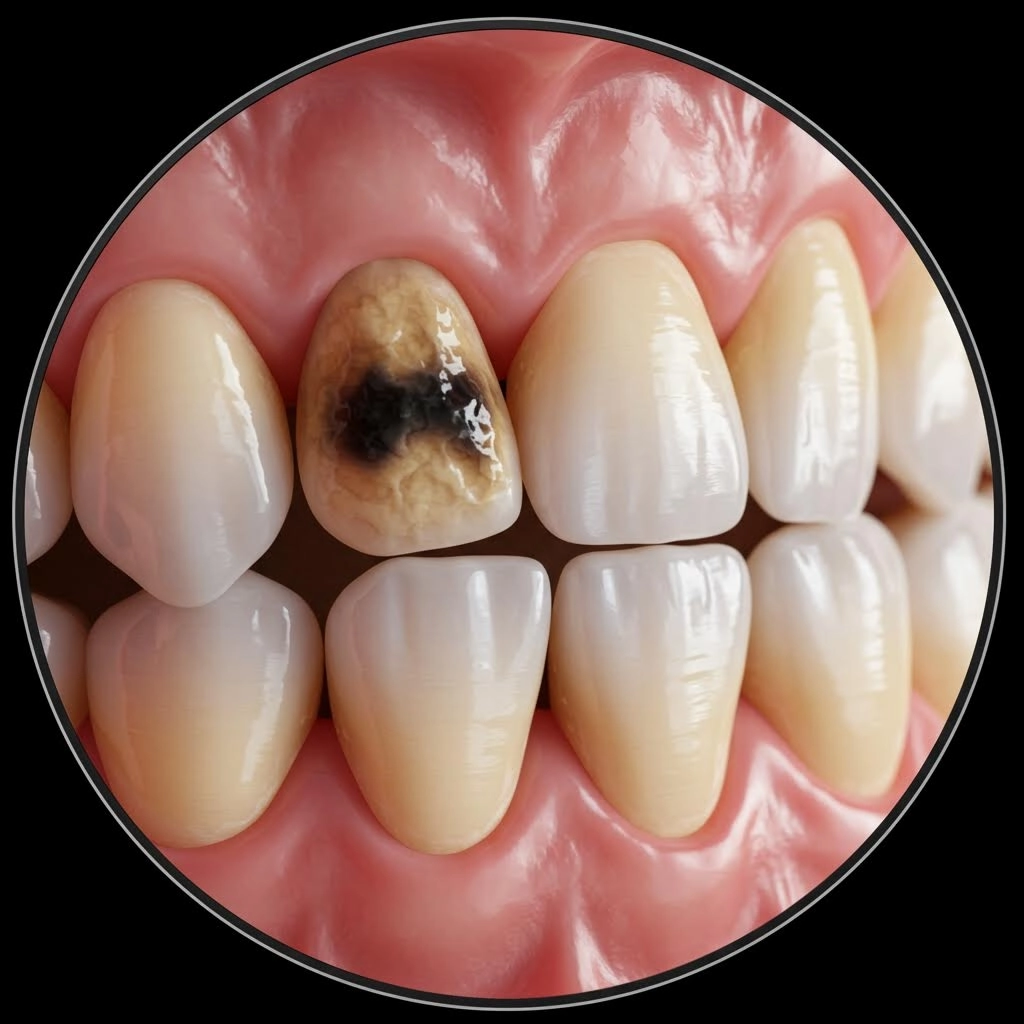
Tartar, also known as dental calculus, forms when plaque is not adequately removed and hardens on the teeth. This mineralization process can occur above and below the gum line and is often yellow or brown in color. Unlike plaque, which can be removed with regular brushing and flossing, tartar requires professional intervention.
The transformation from plaque to tartar begins when plaque’s minerals crystallize over time. This process can start within 24 to 72 hours when plaque is not cleaned away. Once tartar forms, it creates a rough surface on the teeth, making it easier for more plaque to adhere and exacerbate the problem, potentially leading to more severe dental issues such as periodontal disease.
Tartar buildup not only affects the appearance of teeth, making them look yellow and unkempt, but it also poses significant health risks. It provides a breeding ground for bacteria, leading to gum inflammation, receding gums, and even tooth loss if left untreated.

Why Only a Professional Can Remove Tartar
Removing tartar is not something that can be achieved with home oral hygiene practices. Professional dental cleaning, known as scaling, is the only effective method to eliminate tartar from the teeth. During a dental cleaning, a dentist or dental hygienist uses specialized tools to scrape away tartar from the tooth surfaces and below the gum line.
One of the primary reasons only professionals can remove tartar is due to its hardened nature. Tartar binds tightly to the tooth enamel and can only be detached with the right instruments, knowledge, and technique. Attempting to remove tartar at home can cause damage to the teeth and gums, leading to further complications.
Regular dental visits for professional cleanings are vital for maintaining oral health. These visits not only ensure the removal of tartar but also allow dental professionals to identify and address any developing oral health issues early, preventing more serious conditions.
In conclusion, understanding the distinction between plaque and tartar, and the importance of professional dental care, is essential for maintaining optimal oral hygiene. Regular brushing and flossing are crucial in preventing plaque buildup, but professional cleanings are indispensable in managing tartar and ensuring long-term dental health.