
The Right Tools for the Job
When it comes to maintaining oral hygiene with braces, having the right tools is crucial. Braces can create nooks and crannies where food particles and plaque accumulate, making regular toothbrushes insufficient. Consider investing in a soft-bristled toothbrush or an electric toothbrush with a small head to reach around brackets and wires effectively. Interdental brushes are also invaluable for cleaning between teeth and braces.
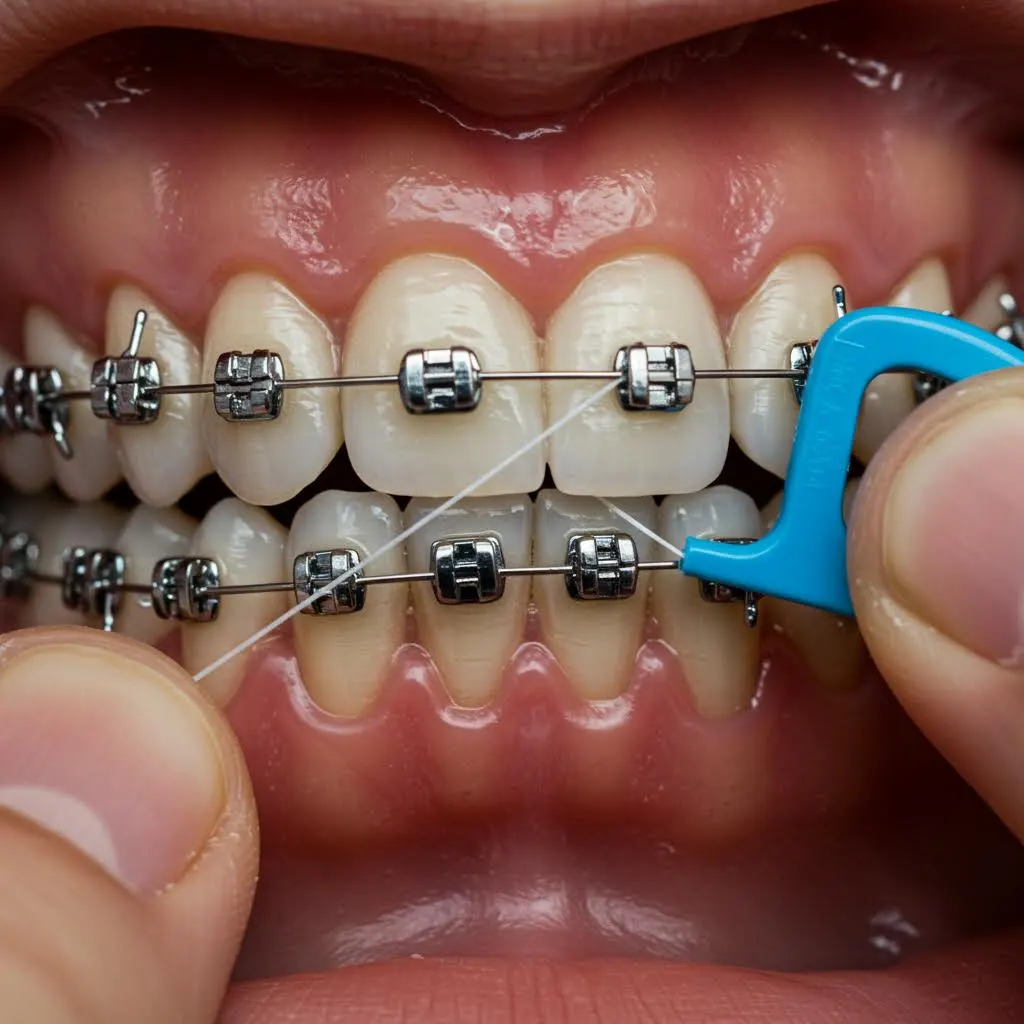
Flossing with braces requires special floss threaders or orthodontic flossers. These tools help guide floss between the teeth without getting caught on the brackets. Water flossers can also be a great addition, using a stream of pulsating water to remove food particles and plaque from hard-to-reach areas.
A Step-by-Step Brushing Guide
Brushing with braces requires a bit more attention than usual. Begin by rinsing your mouth with water to dislodge any loose debris. Apply a small amount of fluoride toothpaste to your toothbrush. Hold the toothbrush at a 45-degree angle to the gum line and gently brush along the gum line with a circular motion. This helps dislodge any plaque and bacteria.
Next, brush the top of the brackets by angling the toothbrush downwards. Gently move the brush back and forth, ensuring you cover each bracket. For the bottom of the brackets, angle the brush upwards and repeat the process. Don’t forget to brush the chewing surfaces and the back of the teeth, as these areas can also harbor bacteria.
It’s important to brush for at least two minutes, twice a day. Consider using a timer or playing a two-minute song to ensure you’re brushing long enough. Regularly replace your toothbrush or brush head every three months or sooner if the bristles become frayed.

How to Floss with Braces
Flossing with braces might seem daunting, but it’s essential for maintaining healthy gums and preventing cavities. Start by using a floss threader to guide the floss beneath the main wire of your braces. Once the floss is in place, gently move it up and down between your teeth, being careful not to snap the floss into your gums.
Ensure you floss each side of every tooth, including the back molars, to remove plaque and food particles. If you’re using a water flosser, direct the stream of water along the gum line and between the teeth for a thorough clean. Water flossers are particularly beneficial for those with sensitive gums or difficulty maneuvering traditional floss.
Consistency is key. Make flossing a daily habit to keep your teeth and gums healthy throughout your orthodontic treatment. Regular dental check-ups are also important to monitor your progress and address any issues that may arise.
Maintaining oral hygiene with braces might require a bit more effort, but the results are well worth it. With the right tools and techniques, you can keep your smile healthy and beautiful throughout your orthodontic journey.