Good sleep is essential for overall health and well-being, yet many people struggle with issues like snoring, dry mouth, and restless nights. These symptoms can be more than just an annoyance; they may signal underlying health issues that require professional attention. In this blog post, we explore when it’s time to consult a dentist about these problems and how oral health may be intricately linked to sleep quality.
Common Warning Signs
Snoring, dry mouth at night, and poor sleep can be symptoms of various health conditions. While occasional snoring is common, persistent and loud snoring might indicate obstructive sleep apnea, a condition where the airway becomes blocked during sleep. This can lead to fragmented sleep and decreased oxygen levels in the blood.
Dry mouth, or xerostomia, often occurs at night and can result from a reduction in saliva production. Saliva is crucial for maintaining oral health as it helps to neutralize acids and wash away food particles. A persistent dry mouth can lead to tooth decay, gum disease, and an overall uncomfortable sensation in the mouth.
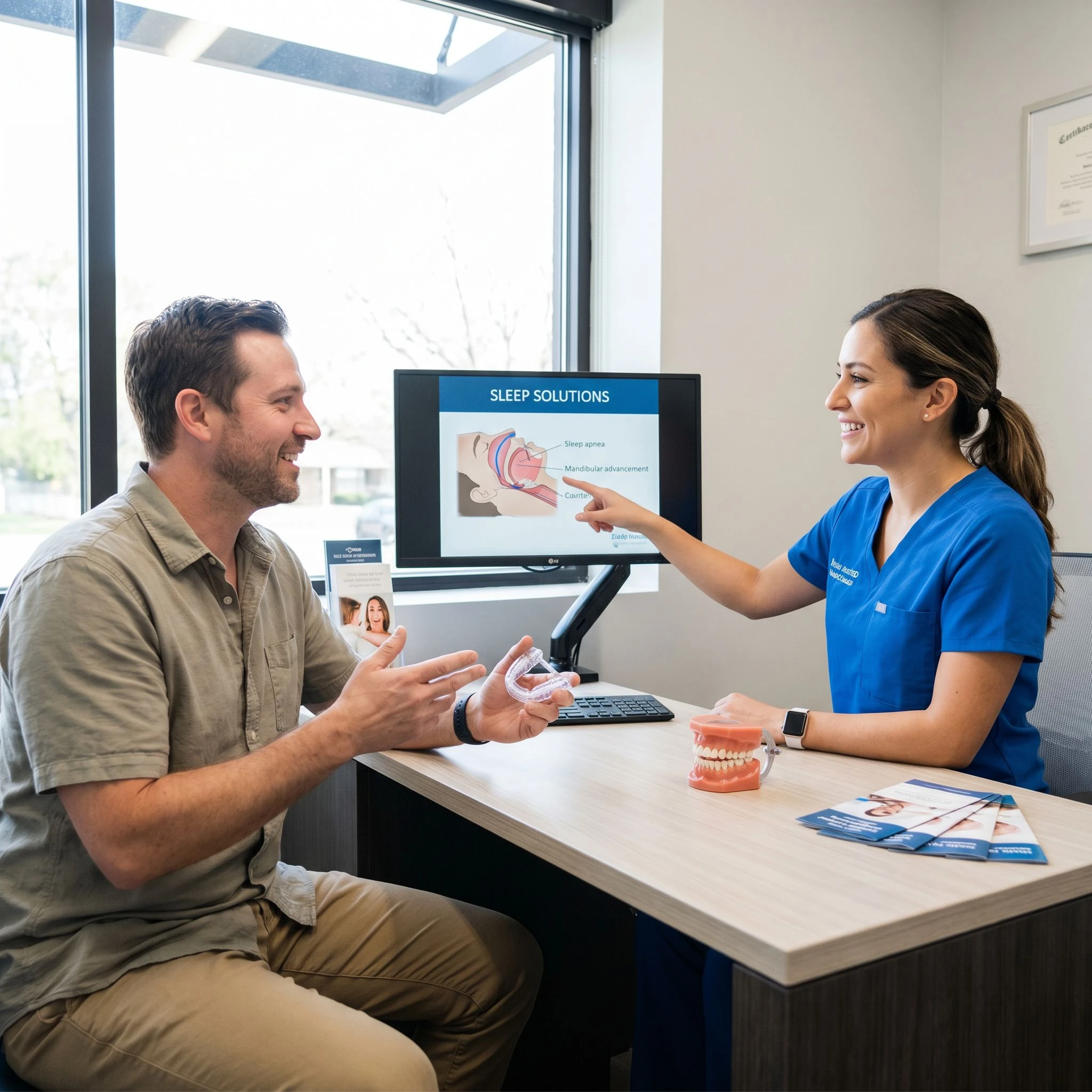
Poor sleep, characterized by frequent awakenings or the inability to achieve deep sleep, can have numerous causes, including stress, dietary habits, or medical conditions like sleep apnea. Identifying these signs early is crucial for preventing long-term health issues.
How Oral Health and Sleep Are Connected
The relationship between oral health and sleep is more significant than many realize. Sleep apnea, for instance, has a direct link to oral health. The repeated obstruction of the airway during sleep can cause the tongue and soft tissues to collapse, affecting breathing patterns and leading to snoring.
Additionally, certain oral conditions can exacerbate sleep problems. For instance, misaligned teeth or jaw issues can contribute to breathing difficulties during sleep. Furthermore, the use of some medications to treat oral health issues may have side effects that impact sleep quality, such as causing dry mouth.
Understanding these connections is vital for identifying the root causes of sleep disturbances and seeking appropriate treatment. A dentist specialized in sleep disorders can offer valuable insights and solutions.

When a Dental Appliance May Help
For many people, dental appliances offer an effective solution to improve sleep quality. Oral appliance therapy involves the use of devices that help keep the airway open during sleep, thereby reducing snoring and alleviating symptoms of sleep apnea.
These appliances are custom-fitted by dentists to ensure comfort and effectiveness. They work by repositioning the lower jaw and tongue, preventing airway obstruction. Patients often find these devices more comfortable and convenient than traditional CPAP machines, which require wearing a mask connected to a pump to maintain airflow.
In addition to treating sleep apnea, dental appliances can also help manage bruxism, a condition characterized by teeth grinding during sleep. Bruxism can lead to tooth wear and jaw pain, further affecting sleep quality.
Consulting a sleep apnea dentist is crucial for determining whether an oral appliance is suitable for your condition. They can assess your symptoms, provide a thorough examination, and recommend the best course of action to enhance your sleep and overall health.
In conclusion, if you or a loved one is experiencing persistent snoring, dry mouth at night, or poor sleep, it may be time to talk to a dentist. Addressing these symptoms not only improves sleep health but also contributes to better oral and overall health. Don’t hesitate to seek professional advice and explore the options available to you.