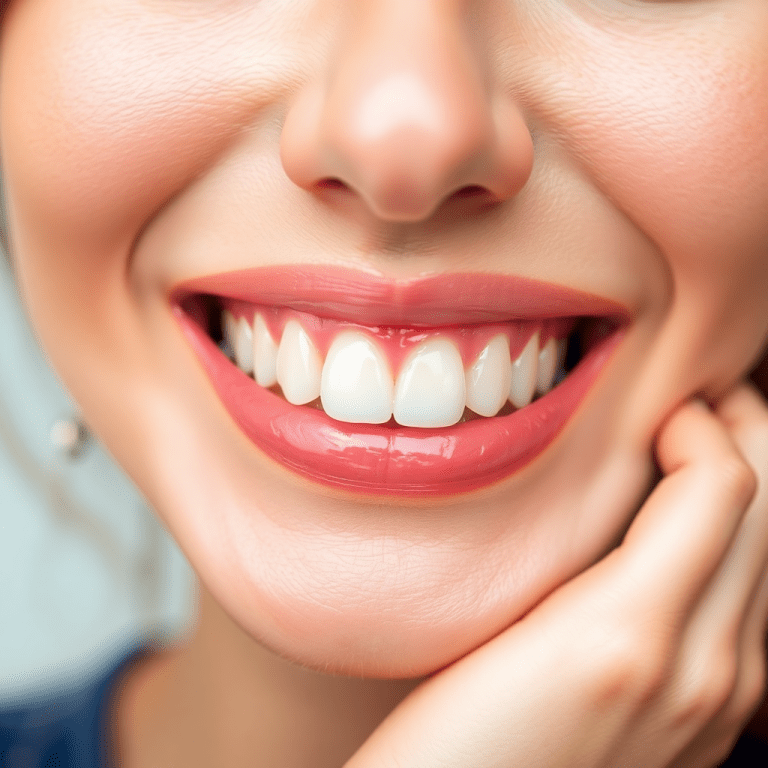
Invisalign vs. Braces: Which Is Right for You?
In recent years, orthodontic treatments have surged in popularity as more people seek to enhance their smiles and improve oral health. Traditional braces have long been the trusted solution for straightening teeth, but Invisalign has quickly become a favorite alternative, offering a discreet and flexible approach to orthodontic care. Deciding between Invisalign and braces, however, isn’t always straightforward. Both options come with unique advantages and considerations, and the right choice depends on your specific needs, lifestyle, and dental conditions.
How Do Invisalign and Braces Work?
While both Invisalign and traditional braces aim to straighten teeth and correct misalignment, they achieve these goals through different methods.
Invisalign utilizes a series of clear, removable plastic aligners custom-made for each patient. These aligners gently and gradually move teeth into their desired positions. Every few weeks, patients replace their current aligners with a new set, progressing toward the ideal alignment. The aligners are designed to be nearly invisible, making them a discreet option for orthodontic treatment.
Traditional braces, on the other hand, consist of metal brackets attached to the teeth and connected by wires known as archwires. These components work together to apply consistent pressure to the teeth, guiding them into the correct position over time. Orthodontists periodically adjust the wires to maintain tension and ensure steady progress.
Key Differences Between Invisalign and Braces:
- Removability: Invisalign aligners can be removed for eating and cleaning, while braces are fixed to the teeth and cannot be removed during treatment.
- Visibility: Invisalign aligners are nearly invisible, whereas braces are more noticeable due to their metal components.
- Adjustments: Invisalign involves switching to new sets of aligners, while braces require in-office adjustments by an orthodontist.
Pros and Cons of Invisalign and Braces
When choosing between Invisalign and braces, it’s essential to weigh the pros and cons of each treatment option.
Invisalign Pros:
- Discreet Appearance: The clear aligners are virtually invisible, making them ideal for adults and teens who are self-conscious about traditional braces.
- Removability: Aligners can be taken out for eating, brushing, and flossing, making oral hygiene easier to maintain.
- Comfort: With no wires or brackets, Invisalign is often more comfortable and less likely to cause irritation.
Invisalign Cons:
- Limited Suitability: Invisalign may not be effective for severe misalignments or complex orthodontic cases.
- Discipline Required: Aligners must be worn 20-22 hours per day, requiring commitment and consistency from the patient.
- Higher Cost: Invisalign is often more expensive than traditional braces.
Braces Pros:
- Versatility: Braces are effective for treating all types of orthodontic cases, including severe misalignments.
- No Wear-Time Concerns: Braces stay fixed to the teeth, eliminating the risk of forgetting to wear them or losing aligners.
- Cost-Effective: Traditional braces are typically less expensive than Invisalign.
Braces Cons:
- Appearance: Braces are more noticeable, which may be a drawback for those who prefer a subtle option.
- Discomfort: Wires and brackets can cause irritation or discomfort, especially after adjustments.
- Challenging Oral Hygiene: Braces require extra effort to clean around wires and brackets effectively.
Who Is a Better Candidate for Each?
The decision between Invisalign and braces depends on several factors, including age, the complexity of the orthodontic issue, and lifestyle preferences.
Invisalign is best suited for:
- Adults and teens who prioritize a discreet treatment option.
- Patients with mild to moderate alignment issues.
- Individuals who are disciplined enough to wear aligners for 20-22 hours daily.
- Those who value the flexibility of removing their aligners for eating and cleaning.
Traditional braces are more appropriate for:
- Children or younger patients who may struggle to manage removable aligners.
- Individuals with severe alignment issues or complex orthodontic needs.
- Patients seeking a “set it and forget it” approach without the responsibility of managing aligners.
Lifestyle, commitment, and oral hygiene habits play crucial roles in determining the right treatment. Invisalign demands consistency and proper care of the aligners, while braces require diligent cleaning around the fixed components.
Making the Right Choice
Orthodontic treatment is never one-size-fits-all. For some patients, a combination of Invisalign and braces or alternative treatments may be recommended based on their specific needs. The best way to make an informed decision is by consulting an experienced orthodontist. During the consultation, the orthodontist will evaluate your dental condition, lifestyle, and budget to recommend the most suitable treatment plan.
Conclusion
Both Invisalign and traditional braces offer highly effective ways to straighten teeth and improve oral health. Invisalign provides a discreet and flexible solution, appealing to adults and teens who value convenience and appearance. Braces, on the other hand, remain a reliable choice for addressing a wide range of orthodontic issues, particularly complex cases.
The ultimate goal is not just achieving a beautiful smile but also ensuring optimal oral health and functionality that will benefit you for years to come. Consult your orthodontist to explore your options and embark on the journey to a healthier, more confident smile.