Understanding Dental implants
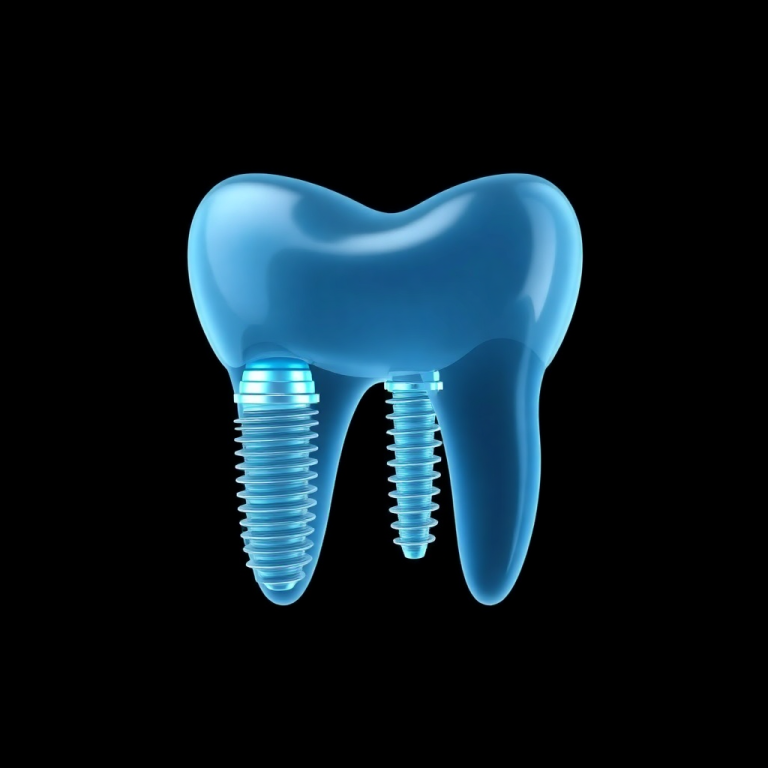
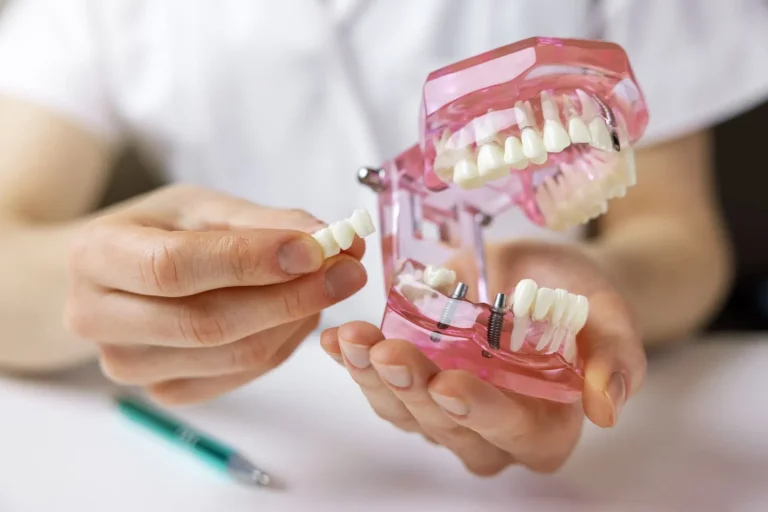
Dental implants, as offered by H town Star Family Dentistry (https://htownstarfamilydentistry.com/services/restorative-dentistry/dental-implants/), are a popular and effective long-term solution for people who suffer from missing teeth, failing teeth, or chronic dental problems. They are artificial tooth roots, similar in shape to screws. When dental implants are placed in your jawbone, they bond with your natural bone and become a sturdy base for supporting one or more artificial teeth, called crowns.
Who is a Good Candidate for Dental Implants?
Generally, candidates for dental implants need to have healthy gums and enough bone to hold the implant. It is also beneficial if the candidate is in good general health. Smokers, diabetics, and people with certain chronic diseases may have a higher risk of complications during the healing process and might need additional treatments or considerations. It’s important to consult with our professionals at H town Star Family Dentistry to assess your personal suitability for dental implants.
Understanding the Dental Implant Process
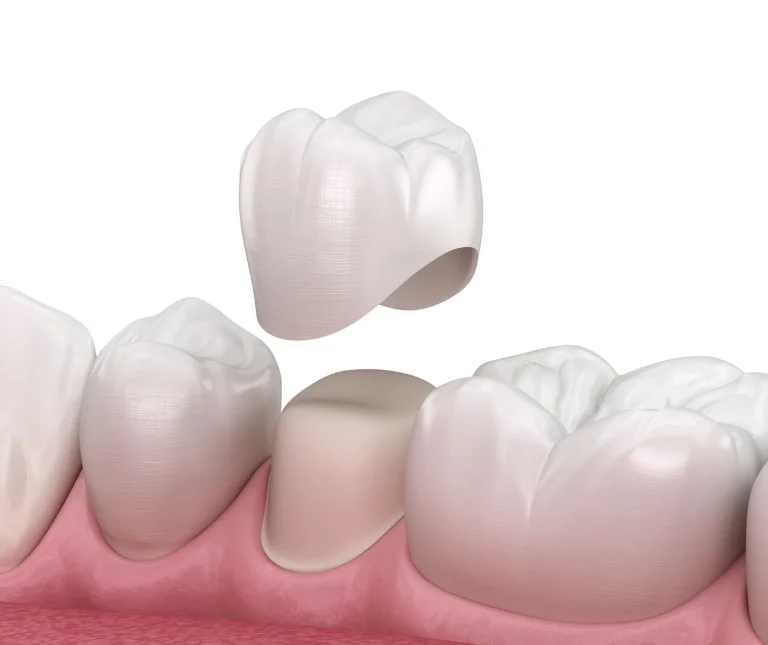
The dental implant process involves several stages, including initial consultation, implant placement, healing time, and crown placement. During the implant placement, the implants are surgically placed in the jawbone. After allowing some time for the bone to heal and bond with the implant (a process known as osseointegration), the crown, custom-made to match your natural teeth, is attached to the implant.
Benefits of Dental Implants
Dental implants offer numerous benefits. They look, feel, and function like natural teeth, thus restoring your ability to eat and speak properly. They are also more durable and comfortable than dentures. Furthermore, dental implants can help maintain facial structure, preventing bone loss in the jaw.
Maintenance of Dental Implants
Dental implants require the same care as real teeth, including brushing, flossing, rinsing with an antibacterial mouthwash, and regular dental check-ups. With proper care and maintenance, your new implants can last for many years or even a lifetime.
Expected Outcomes
Most patients report improved appearance, self-esteem, comfort, and speech after getting dental implants. However, as with any medical procedure, outcomes can vary and potential risks, like infection, nerve damage, or sinus problems, should be discussed with your dentist at H town Star Family Dentistry.
Are there health issues that may prevent implant placement?
Understanding Health Factors That May Affect Dental Implant Placement
When considering dental implants, it’s important to understand that certain health conditions may impact the success of the procedure. At H town Star Family Dentistry, we prioritize patient health and safety, so we consider all factors before recommending dental implant surgery.
Health Considerations for Dental Implant Candidates
While dental implants offer a long-term solution for missing teeth, not everyone is a suitable candidate. Conditions such as uncontrolled diabetes, cancer, radiation to the jaws, smoking, alcoholism, or uncontrolled periodontal (gum) disease may affect your ability to undergo dental implant surgery. These conditions can impede healing in the mouth, reduce the jaw bone quality, and limit the body’s ability to successfully integrate the implant.
For more details about candidate suitability, please refer to our implant services page at Htown Star Family Dentistry.
Treatment Steps and Expected Outcomes
The dental implant process is typically completed over several months and involves multiple steps: initial consultation and planning, surgical placement of the implant, healing period, and placement of the crown. Each patient’s experience and healing time may vary based on individual health conditions and the specifics of their case.
Though some health issues may delay or complicate the process, the final outcome of a successful dental implant is a durable, functional, and aesthetic substitute for the lost natural tooth. Regular check-ups and good oral hygiene can help maintain the implant and ensure its longevity.
Importance of a Detailed Medical History
Before undergoing dental implant surgery, it’s crucial to provide a detailed and accurate medical history. This allows our team at H town Star Family Dentistry to assess potential risks and plan the treatment accordingly. Rest assured, our team will discuss all options with you and work towards finding a solution that best meets your dental health needs.
In conclusion, while certain health conditions may affect the dental implant process, it doesn’t mean they completely preclude you from enjoying the benefits of dental implants. By maintaining open communication and working closely with our dental team, many obstacles can be managed or overcome.
How does bone density affect implant eligibility?
Understanding Bone Density and Dental Implants
When it comes to determining eligibility for dental implants, bone density plays a crucial role. Dental implants, as offered by htownstarfamilydentistry.com, require a certain level of bone density for successful placement and long-term stability. The implant, which essentially serves as an artificial tooth root, needs to securely fuse with the jawbone in a process called osseointegration. Without sufficient bone density, this process might be compromised, potentially resulting in implant failure.
Implant Considerations and Bone Density
At H town Star Family Dentistry, we always conduct a comprehensive evaluation of your oral health before recommending any treatment. This includes assessing the density of your jawbone. If bone density is insufficient, it doesn’t necessarily rule out dental implants. Procedures such as bone grafting can be performed to increase bone density and create a more stable foundation for the implant. Your dentist will be able to guide you through all the available options based on your specific situation.
The Dental Implant Process
Once bone density is deemed sufficient, the dental implant procedure can proceed. This typically involves several steps: firstly, the implant, a small titanium post, is placed into the jawbone. After placement, a healing period is required to allow for osseointegration. Following this, an abutment is attached to the implant. Finally, a custom-made crown is placed onto the abutment, resulting in a natural-looking and functional tooth.
Benefits and Maintenance of Dental Implants
Dental implants offer numerous benefits. They are durable, long-lasting, and provide a natural appearance. They also help maintain facial structure, prevent bone loss, and improve oral health by allowing for normal eating and cleaning habits. Maintenance is similar to that of natural teeth, involving regular brushing, flossing, and dental check-ups.
Expected Outcomes
With proper care and maintenance, dental implants can last for many years, often for a lifetime. However, outcomes can vary based on individual factors such as oral hygiene habits, overall health, and bone density. Regular check-ups at H town Star Family Dentistry will ensure that your dental implants remain in optimal condition.
In conclusion, while bone density is indeed a significant factor in determining implant eligibility, it is not the only one. At H town Star Family Dentistry, we consider all aspects of your oral health to provide the best possible dental care tailored to your needs. For more information about our dental implant services, please visit https://htownstarfamilydentistry.com/services/restorative-dentistry/dental-implants/.