Understanding the Success Rate of Dental Implants
The success rate of dental implants is a critical consideration for those exploring this restorative dentistry option. According to various studies, dental implants have a high success rate, often exceeding 95%. However, it’s important to note that success rates may vary based on individual health conditions, oral hygiene, and the expertise of the dental professional carrying out the procedure.
Why Dental Implants?
Dental implants are widely recognized as a reliable and long-lasting solution to replace missing teeth. They offer several advantages over other options such as dentures or bridges. Some of the main benefits include improved appearance, enhanced oral function, and durability. Htownstarfamilydentistry.com offers comprehensive dental implant services, leveraging the latest technology and techniques to ensure your teeth look, feel, and function as naturally as possible.
The Dental Implant Process
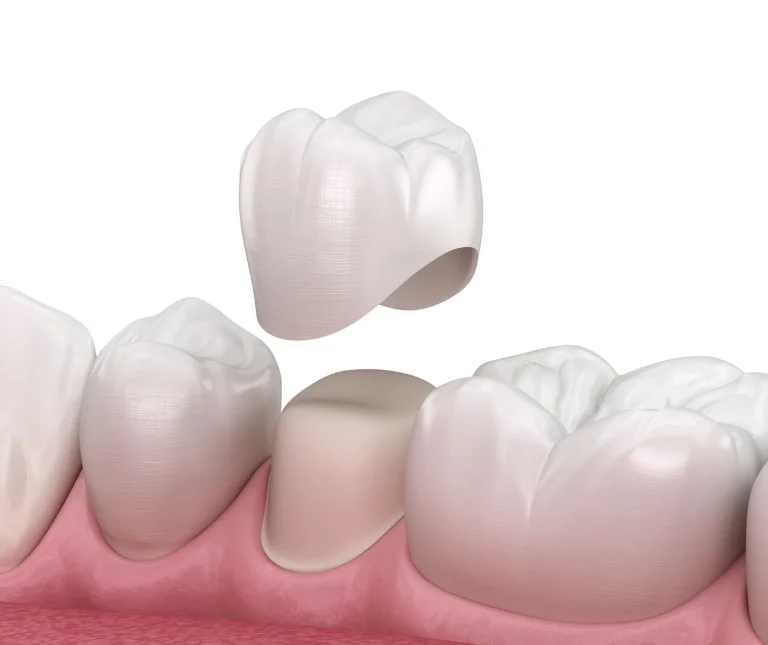
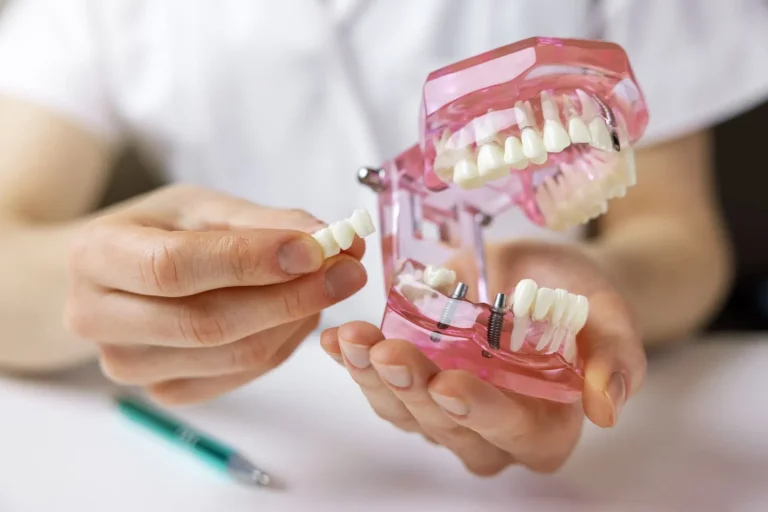
The dental implant process typically involves multiple stages over several months. It starts with a detailed evaluation to ensure you’re a suitable candidate for the procedure. Once eligibility is confirmed, the dental implant, which is a small titanium post, is surgically placed in the jawbone where the missing tooth was. Over time, the implant fuses with your jawbone, providing a sturdy base for the artificial tooth (crown). The final stage involves attaching the crown to the implant. Our team at Htownstarfamilydentistry.com guides patients through every step of this process, making sure they are comfortable and informed.
Maintenance of Dental Implants
Maintaining dental implants is relatively straightforward and similar to the care of natural teeth. Regular brushing, flossing, and dental check-ups are essential. It’s also crucial to avoid damaging habits such as chewing hard items or smoking. With proper care, dental implants can last several decades or even a lifetime.
Are You a Candidate for Dental Implants?
Most adults with good general and oral health are suitable candidates for dental implants. However, certain conditions like uncontrolled diabetes, cancer, smoking, alcoholism, or untreated gum disease may affect the success of the implant. Therefore, thorough evaluation and discussion with our professionals at Htownstarfamilydentistry.com are vital before embarking on the implant journey.
Expected Outcomes
When performed by experienced professionals like those at Htownstarfamilydentistry.com, dental implants often result in a significantly improved quality of life for patients. They restore not only the function but also the aesthetics of your smile. While there may be some discomfort and swelling immediately after the procedure, these symptoms typically subside quickly. With the high success rates and benefits offered, dental implants are a worthwhile investment for many people.
How long do dental implants typically last?
Understanding the Lifespan of Dental Implants
Dental implants, as offered by Htownstarfamilydentistry.com, are a remarkably durable and long-lasting solution for missing or damaged teeth. They are designed to function like your natural teeth, providing a stable support for artificial teeth that won’t slip or shift in your mouth. This is especially important while eating and speaking where poor-fitting dentures might cause problems.
The Implant Process
The process of getting implants requires a number of visits over several months. It involves the placement of the implant itself, which is a screw-like structure, into the jawbone. After the implant is placed, the healing process begins which can take up to several months. Once healed, a post, or abutment, is attached to the implant and functions as the holder for the new tooth. A crown, which is made to match your natural teeth, is then attached to the abutment.
Benefits of Dental Implants
Dental implants provide numerous benefits beyond just improving your smile. They help maintain the structure of your jawbone, prevent the shifting of remaining teeth, and restore the function of your mouth. They also boost your self-esteem and confidence by providing a natural-looking solution to missing teeth.
Life Expectancy of Dental Implants
With proper care and maintenance, dental implants can last a lifetime. The crown may need to be replaced every 10-15 years due to normal wear and tear, but the implant itself, if well taken care of, can last indefinitely. It’s important to maintain good oral hygiene and regular dental visits to ensure the longevity of your dental implants.
Candidate Considerations and Expected Outcomes
Dental implants are a suitable solution for most adults with missing teeth; however, a comprehensive dental evaluation by our professionals at Htownstarfamilydentistry.com is necessary to determine if you are a good candidate for dental implants. Factors such as bone density, gum health, and overall health will be taken into account. Once the implant is placed and the healing process is complete, you can expect a significantly improved smile and the full functionality of a strong, stable tooth.
Care and Maintenance
Dental implants require the same care as your natural teeth. This includes brushing twice a day, flossing daily, and regular check-ups and cleanings at Htownstarfamilydentistry.com. Avoiding hard or sticky foods can also help in maintaining the integrity of the implant.
In summary, while dental implants represent an investment, they offer a long-term solution for tooth replacement that can enhance quality of life and confidence. With good care, the benefits of dental implants can be enjoyed for decades to come.
What factors affect the longevity of implants?
Key Factors Affecting the Longevity of Dental Implants
Dental implants, as offered by htownstarfamilydentistry.com, are an excellent and durable solution for missing teeth. However, their longevity can be influenced by several factors, including the patient’s overall health, oral hygiene practices, lifestyle habits, and the quality of the post-operative care.
Patient’s Overall Health
Conditions like diabetes, osteoporosis, or any diseases that compromise the immune system can affect the healing process post-implant surgery and therefore, potentially impact the longevity of the dental implant. Ensuring these are well-managed is crucial to the success of the implant procedure.
Oral Hygiene Practices
Just like natural teeth, dental implants require regular cleaning and maintenance. Failure to maintain good oral hygiene can lead to gum disease around the implant, which can ultimately lead to implant failure. Routine brushing, flossing, and regular check-ups at H-Town Star Family Dentistry will help maintain the health and longevity of your dental implants.
Lifestyle Habits
Lifestyle habits such as smoking or excessive alcohol consumption can negatively impact the success of dental implants. These habits can interfere with the healing process and the long-term health of the implant. It’s recommended to cease such habits for optimal implant longevity.
Quality of Post-operative Care
Following the dental implant surgery at H-Town Star Family Dentistry, patients receive detailed post-operative care instructions. Strictly adhering to these instructions, such as taking prescribed medications, avoiding certain foods, and managing oral hygiene, can significantly impact the longevity of the dental implant.
Treatment Steps and Expected Outcomes
The dental implant process at H-Town Star Family Dentistry includes initial consultation, preparation of the implant site, placement of the implant, and finally, attachment of the replacement tooth. Each step is carried out meticulously to ensure a successful outcome. With proper care and maintenance, dental implants can last for many years, providing a natural-looking, functional, and confident smile.
In conclusion, while dental implants are a durable and long-lasting solution, their longevity can be influenced by various factors. By considering these factors and making any necessary adjustments, patients can ensure the success and longevity of their dental implants.