Dental bridges have become a pivotal solution in restorative dentistry, especially for those seeking effective tooth replacement options in Houston. These bridges help maintain the integrity of your dental structure and improve both function and aesthetics. Understanding what a dental bridge is, how it works, and its pros and cons is essential for anyone considering this option.
What is a Dental Bridge?
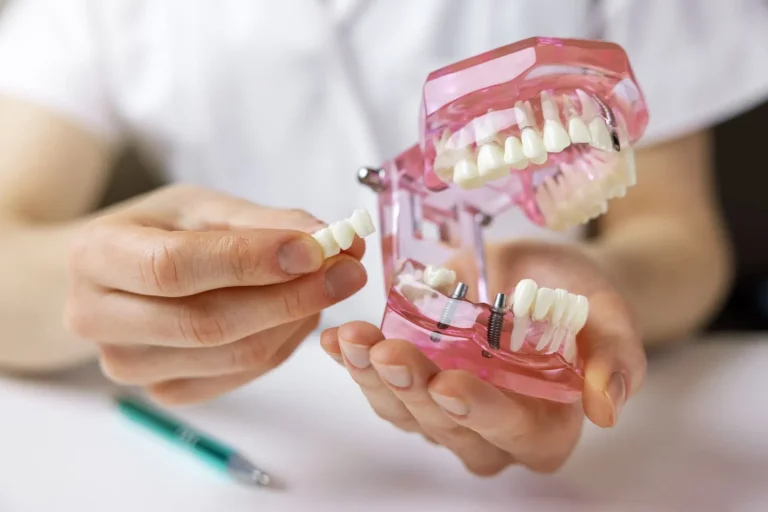
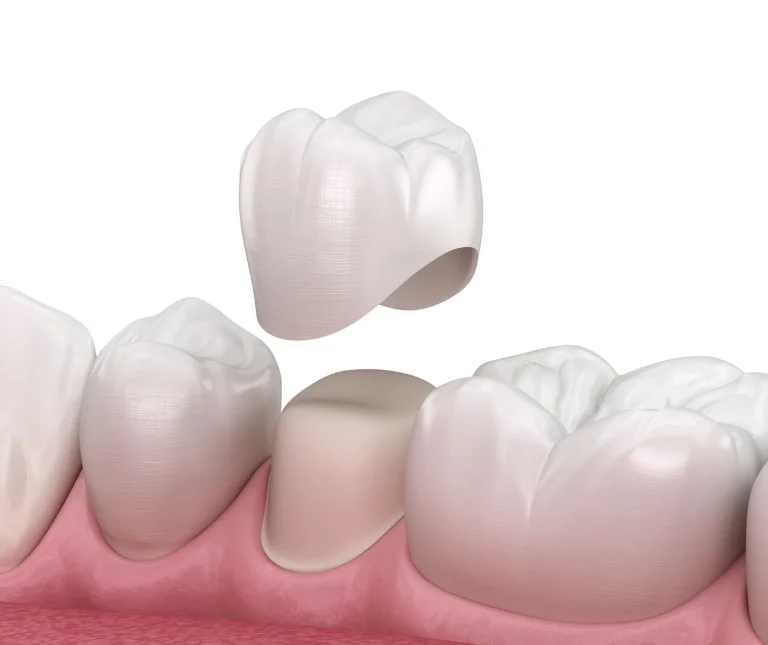
A dental bridge is a common dental restoration technique used to replace one or more missing teeth. The bridge is essentially a false tooth, known as a pontic, held in place by crowns on the adjacent teeth. These supporting teeth are referred to as abutment teeth. Made from materials like porcelain, gold, alloys, or a combination, dental bridges are designed to blend seamlessly with your natural teeth.
There are several types of dental bridges available, including traditional bridges, cantilever bridges, Maryland bonded bridges, and implant-supported bridges. Traditional bridges involve creating a crown for the tooth or implant on either side of the missing tooth, with a pontic in between. Cantilever bridges are used when there are adjacent teeth on only one side of the missing tooth. Maryland bonded bridges are made of plastic teeth and gums supported by a metal or porcelain framework. Implant-supported bridges, as the name suggests, are supported by dental implants.

The Bridge Placement Process
The process of placing a dental bridge typically involves multiple visits to your dentist. Initially, the abutment teeth are prepared. This involves recontouring these teeth by removing a portion of enamel to make room for a crown. Next, impressions of the teeth are made, which serve as a model for crafting the bridge, pontic, and crowns. You’ll receive a temporary bridge to protect the exposed teeth and gums while the permanent bridge is being made.
During the second visit, your temporary bridge is removed and the new permanent bridge is adjusted and checked for fit. Multiple visits might be necessary to ensure the bridge fits perfectly. Once the dentist is satisfied with the fit, the bridge is cemented into place.
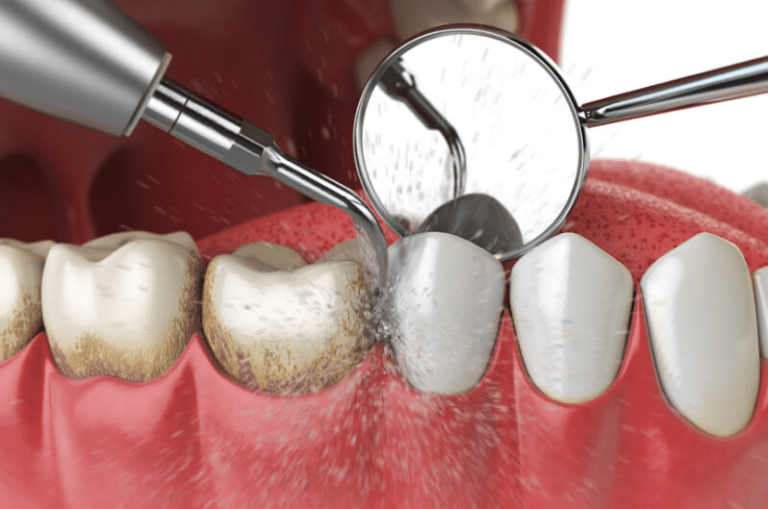
It’s crucial to maintain good oral hygiene during this process to ensure the longevity of your bridge. Regular brushing, flossing, and professional cleanings are vital to keeping your bridge in excellent condition.
Pros and Cons of a Dental Bridge
Like any dental procedure, dental bridges come with their own set of advantages and disadvantages. On the positive side, dental bridges restore your smile and the ability to properly chew and speak. They also help maintain the shape of your face, prevent remaining teeth from drifting out of position, and contribute to a balanced bite.
However, there are some downsides to consider. Adjacent teeth need to be filed down, which can compromise their strength. Bridges may also need to be replaced every 5 to 15 years due to wear and tear, although good oral hygiene can extend their lifespan. Another consideration is the cost, which can vary based on the type of bridge and materials used.
In conclusion, dental bridges offer a reliable solution for tooth replacement, restoring both function and appearance. By understanding the bridge placement process and weighing the pros and cons, you can make an informed decision that best suits your dental needs.