Pediatric Dentistry: Building Healthy Smiles from the Start
When it comes to a child’s overall well-being, oral health is often overlooked. However, pediatric dentistry plays a vital role in laying the groundwork for lifelong dental health. Early preventive care, proper education, and child-friendly approaches not only safeguard young smiles but also set the stage for a lifetime of confidence and good habits. In this article, we explore the unique aspects of pediatric dentistry, its growing importance, and what parents should consider when seeking care for their children.
What is Pediatric Dentistry?
Pediatric dentistry focuses on the oral health needs of infants, children, and adolescents. From the first tooth eruption to managing dental care during the teenage years, pediatric dentists are uniquely trained to address the specific challenges associated with growing teeth and gums. They also play a crucial role in helping children establish positive dental routines, making visits to the dentist less daunting and more educational.
The Importance of Early Intervention
One of the cornerstones of pediatric dentistry is early intervention. By introducing children to dental care at a young age, issues like tooth decay, misalignment, and gum problems can be addressed before they become serious. Studies have shown that children who receive routine dental check-ups early in life are more likely to maintain healthier teeth and gums as they grow older. Moreover, these early visits help normalize the experience, reducing anxiety and encouraging children to take responsibility for their oral health.
Preventive Care and Education
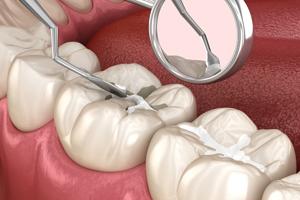
Prevention is a central focus of pediatric dentistry. Regular cleanings, fluoride treatments, and sealants can significantly reduce the risk of cavities and other dental problems. Pediatric dentists also provide guidance to parents on proper brushing techniques, diet choices, and the use of dental products tailored for children. By involving parents in the process, pediatric dentists ensure that good habits are reinforced at home, making it easier for children to maintain their oral health.
Child-Friendly Techniques and Environments
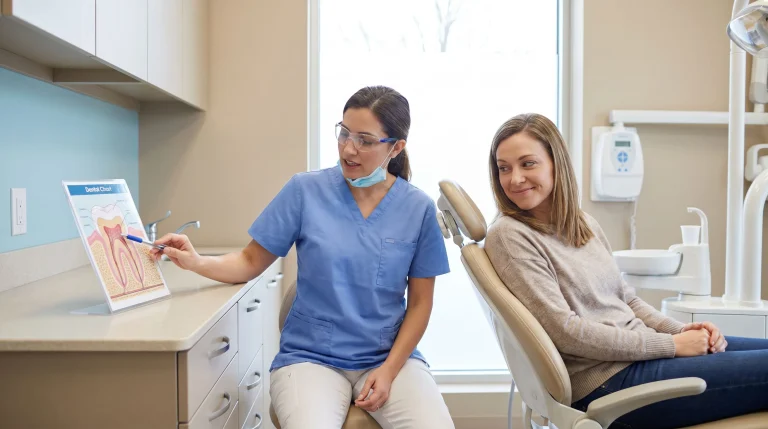
Pediatric dental offices are designed to be welcoming and comforting for children. Bright, cheerful colors, kid-friendly waiting areas, and gentle communication styles help create a positive association with dental visits. Pediatric dentists are trained to manage childhood fears and anxieties, using a patient and reassuring approach. This extra care makes children feel safe and respected, increasing their willingness to return for future appointments.
Emerging Trends and Innovations
Advancements in pediatric dentistry are making care more effective and less invasive. For example, silver diamine fluoride is now used to halt cavity progression without the need for drilling. Laser dentistry offers a gentle, noise-free alternative for treating soft tissues. Additionally, the integration of digital imaging and virtual consultations is improving diagnosis, treatment planning, and accessibility, making it easier than ever for families to maintain their children’s dental health.
Why Choosing a Pediatric Dentist Matters
Pediatric dentists undergo additional years of specialized training beyond dental school. This equips them with a deep understanding of childhood dental development and behavior management techniques. When parents choose a qualified pediatric dentist, they gain a trusted partner dedicated to ensuring their child’s teeth and gums develop properly, while also fostering a positive attitude toward dental care that can last a lifetime.
Conclusion
Pediatric dentistry is about more than just caring for small teeth—it’s about building a foundation for lifelong oral health. By focusing on prevention, education, and child-friendly techniques, pediatric dentists play a crucial role in helping children develop healthy habits that support their overall well-being. As more families recognize the value of early dental care, pediatric dentistry continues to grow, shaping generations of healthy, confident smiles.
The Role of Pediatric Dentistry in Overall Health
Beyond maintaining a bright smile, pediatric dentistry contributes to a child’s overall health. Poor oral hygiene in children can lead to infections, pain, and difficulties with eating and speaking. Moreover, untreated dental issues can cause systemic problems, impacting a child’s ability to concentrate in school and their overall quality of life. Pediatric dentists not only treat dental problems but also identify potential issues early on, helping to avoid complications that might affect other aspects of a child’s health.
Building Trust Through Consistent Care
Establishing a trusted relationship with a pediatric dentist ensures continuity of care. Regular visits enable the dentist to track a child’s dental development over time, catching subtle changes and intervening when necessary. This ongoing partnership gives parents peace of mind and helps children view dental care as a natural, routine part of their lives. The confidence and trust built through consistent care empower children to carry good dental habits into adulthood.
Community Outreach and Education Initiatives
Many pediatric dental practices extend their care beyond the office by engaging in community outreach and education. Programs that teach children about oral hygiene, nutrition, and the importance of regular check-ups foster a culture of health awareness. Schools, community centers, and local events often serve as platforms for pediatric dentists to share knowledge, making it easier for families from all backgrounds to access essential oral health information.
Looking to the Future of Pediatric Dentistry
As technology continues to advance, the future of pediatric dentistry looks promising. Artificial intelligence is being explored to assist in early diagnosis, while new materials are being developed to strengthen young teeth and protect against cavities. Personalized approaches to care, supported by data-driven insights, may soon make pediatric dental treatment even more tailored to each child’s unique needs. The integration of technology, coupled with a growing emphasis on prevention, ensures that the next generation will have access to even higher standards of care.
Conclusion: More Than Just a Smile
Pediatric dentistry is far more than routine cleanings and cavity fillings; it’s an essential pillar of childhood health. By focusing on prevention, education, and fostering trust, pediatric dentists help children grow up with the skills and habits necessary for a lifetime of oral health. Their work not only creates brighter smiles but also contributes to the overall well-being and confidence of the children they serve. As the field continues to evolve, parents can look forward to even more innovative, effective, and compassionate care for their children.