Oral cancer screenings play a crucial role in maintaining dental health and overall well-being. These screenings are part of a preventive dental exam, designed to catch potential issues early. If you are a resident of Houston or any other place, understanding what an oral cancer screening involves and its significance can greatly benefit your health. This blog post aims to clarify the process, identify who should be screened, and emphasize why early detection matters.
What We Look For During the Screening
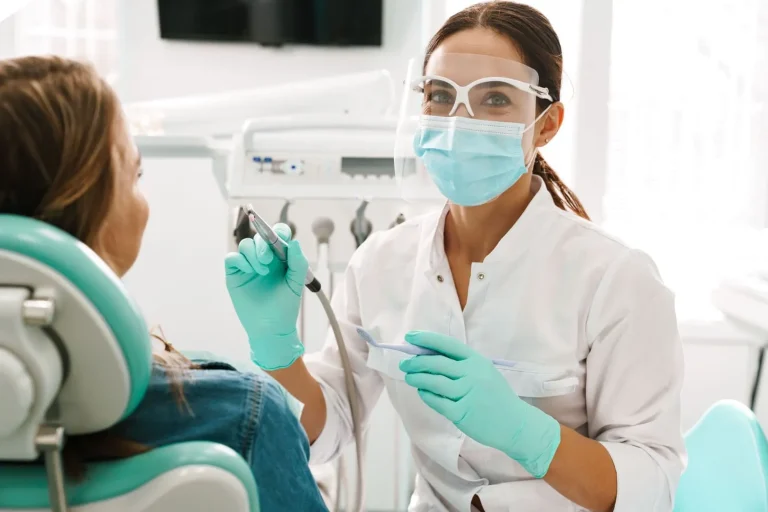
During an oral cancer screening, a family dentist will perform a thorough examination of your mouth. The goal is to identify any signs of cancer or precancerous conditions. The dentist looks for abnormalities such as red or white patches, sores that do not heal, and lumps or thickening of the tissue in your mouth. Each of these could be an indicator of potential oral health issues.
The dentist will use a combination of visual and tactile methods. They will visually inspect your lips, gums, tongue, inner cheeks, and the roof and floor of your mouth. With gloved hands, the dentist may feel for lumps or irregularities inside your mouth and around your jaw and neck. This comprehensive approach ensures that nothing is overlooked.
In some cases, special lights or dyes might be used to highlight abnormal tissues. These advanced techniques enhance the ability to detect issues that might not be visible to the naked eye. The screening is generally non-invasive and quick, taking only a few minutes but providing significant peace of mind.
Who Should Be Screened
While anyone can benefit from an oral cancer screening, certain groups are at a higher risk. Tobacco users, including those who smoke cigarettes, cigars, or use smokeless tobacco, are at a significantly increased risk of developing oral cancer. Similarly, regular alcohol consumption can also elevate this risk.


Individuals with a history of significant sun exposure, which can increase the risk of lip cancer, should also be vigilant. Additionally, those with a family history of cancer or who have been previously diagnosed with any form of cancer should consider regular screenings.
Age is another factor to consider. Oral cancer is more common in individuals over 40. However, younger people are not immune, especially with the rise of HPV (Human Papillomavirus), which has been linked to oral cancers. Therefore, it is advisable for everyone, regardless of age, to discuss the need for screenings with their family dentist.
Why Early Detection Matters
The significance of early detection cannot be overstated when it comes to oral cancer. The survival rate for oral cancer, like many other types, is significantly higher when detected at an early stage. Early-stage oral cancers are often more treatable and can lead to better outcomes and fewer invasive treatment options.
Detecting cancer early also helps in maintaining quality of life. Treatments are generally less aggressive and can help preserve more of the mouth’s function and appearance. This is crucial for activities such as speaking, eating, and maintaining social interactions.
Moreover, early detection can be cost-effective. Treating cancer at an early stage usually involves less complex procedures, which can reduce both personal and financial burdens associated with more advanced cancer treatments.
Regular screenings as part of a preventive dental exam are an essential measure in achieving early detection. They can provide peace of mind and play a vital role in your healthcare routine. If you live in Houston or elsewhere, prioritizing these screenings with your family dentist can be a life-saving decision.
In conclusion, oral cancer screenings are a vital component of preventive health care. By understanding what the screening entails, who is at risk, and the importance of early detection, individuals can take proactive steps to protect their health. Regular visits to a family dentist for oral cancer screenings can significantly impact one’s overall health and well-being.