Have you ever experienced bleeding gums while brushing your teeth? It’s a common issue that many people face, and it can be a cause for concern. Bleeding gums can be an indicator of underlying oral health problems, such as gingivitis or more severe gum disease. In this blog post, we’ll explore the common causes of bleeding gums, how to brush and floss gently, and when it’s time to see your dentist.
Common Causes of Bleeding Gums
Bleeding gums can result from a variety of factors, some of which may be harmless, while others could indicate a more serious condition. Understanding these causes can help you address the issue effectively.
Poor Oral Hygiene
One of the leading causes of bleeding gums is inadequate oral hygiene. When plaque builds up along the gum line, it can irritate the gums and lead to bleeding during brushing or flossing. Regular brushing and flossing are crucial in preventing plaque buildup and maintaining healthy gums.
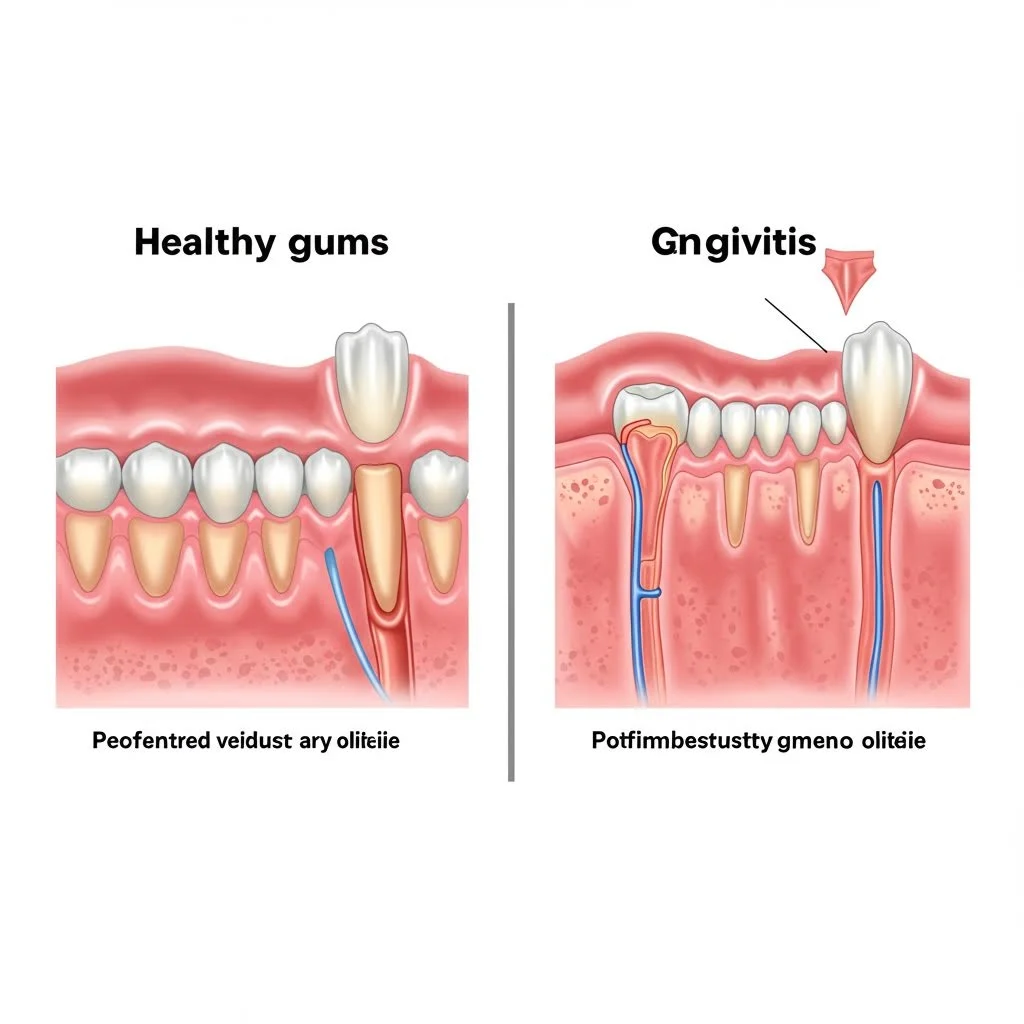
Gingivitis
Gingivitis is the early stage of gum disease and is characterized by inflammation of the gums. It occurs when plaque is not removed effectively, leading to irritation and bleeding. Fortunately, gingivitis can be reversed with proper oral hygiene and regular dental checkups.
Hormonal Changes
Hormonal changes, particularly during pregnancy, menstruation, or menopause, can make gums more sensitive and prone to bleeding. During these times, it’s essential to maintain a consistent oral care routine and consult with your dentist for any concerns.
Medications
Certain medications, such as blood thinners, can increase the likelihood of bleeding gums. If you’re experiencing this side effect, it’s important to discuss it with your healthcare provider and dentist to manage it effectively.
Vitamin Deficiencies
A deficiency in vitamins, particularly Vitamin C and Vitamin K, can lead to gum bleeding. Ensuring a balanced diet and possibly taking supplements can help improve gum health.
How to Brush and Floss Gently
Brushing and flossing with the right technique can prevent gum irritation and bleeding. Here are some tips to help you maintain a gentle yet effective oral hygiene routine.
Use a Soft-Bristled Toothbrush
Always opt for a soft-bristled toothbrush to avoid damaging your gums. Hard bristles can cause abrasions and increase the risk of bleeding. Replace your toothbrush every three to four months or sooner if the bristles become frayed.
Brush with the Right Technique
Hold your toothbrush at a 45-degree angle to your gums and use gentle, circular motions. Avoid aggressive brushing, as it can wear down your enamel and irritate your gums. Spend at least two minutes brushing your teeth, covering all surfaces.
Floss Correctly
Flossing is essential for removing plaque and food particles between teeth. Use about 18 inches of floss, winding most of it around your middle fingers and leaving an inch of floss to work with. Gently slide the floss between your teeth, curving it around each tooth and sliding it under the gum line. Avoid snapping the floss, which can damage the gums.
Rinse with Mouthwash
Using an antimicrobial mouthwash can help reduce plaque and prevent gingivitis. Swish the mouthwash in your mouth for about 30 seconds after brushing and flossing to enhance your oral hygiene routine.

When to See Your Dentist
If you notice persistent bleeding gums, it’s crucial to consult your dentist. Here are some situations where professional advice is necessary.
Persistent Bleeding
If your gums bleed consistently despite good oral hygiene, it could be a sign of a more serious condition, such as periodontal disease. Early intervention can prevent further complications.
Pain and Swelling
Gum pain and swelling, along with bleeding, could indicate an infection or abscess. Prompt dental care is essential to prevent the spread of infection and preserve your oral health.
Loose Teeth
Bleeding gums accompanied by loose teeth or changes in your bite could suggest advanced gum disease. Your dentist can provide treatments to stabilize your teeth and manage the condition.
Regular Checkups
Even if you’re not experiencing symptoms, regular dental checkups are vital for maintaining oral health. Your dentist can detect early signs of gum disease and provide preventive care to keep your gums healthy.
In conclusion, bleeding gums should not be ignored. By understanding the causes and practicing gentle oral hygiene, you can maintain healthy gums and prevent complications. If you’re experiencing bleeding gums, consult a Houston dentist to ensure your oral health is in top shape.