What is the TMJ?
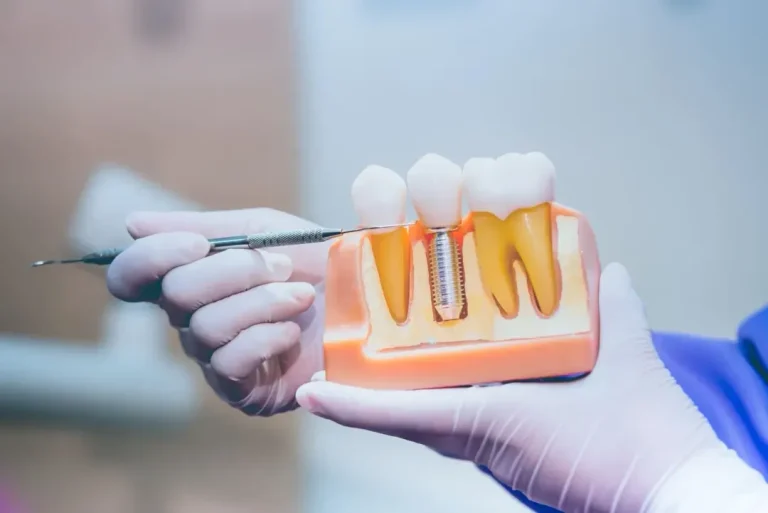
The temporomandibular joint, commonly referred to as the TMJ, is a pivotal part of our jaw mechanism. Located on each side of the head, it connects the jawbone to the skull and enables vital functions such as talking, chewing, and yawning. This intricate joint allows for the smooth motion of the jaw and is crucial for daily activities. Understanding its function is essential in recognizing when something goes wrong.
The TMJ is unique due to its combination of hinge and sliding motions. It is supported by muscles and ligaments that provide stability and flexibility. However, given its complexity and constant use, it is susceptible to disorders known as temporomandibular disorders or TMD. These disorders can arise from various factors, including stress, injury, or arthritis, impacting the joint’s functionality.
Common Symptoms of TMD
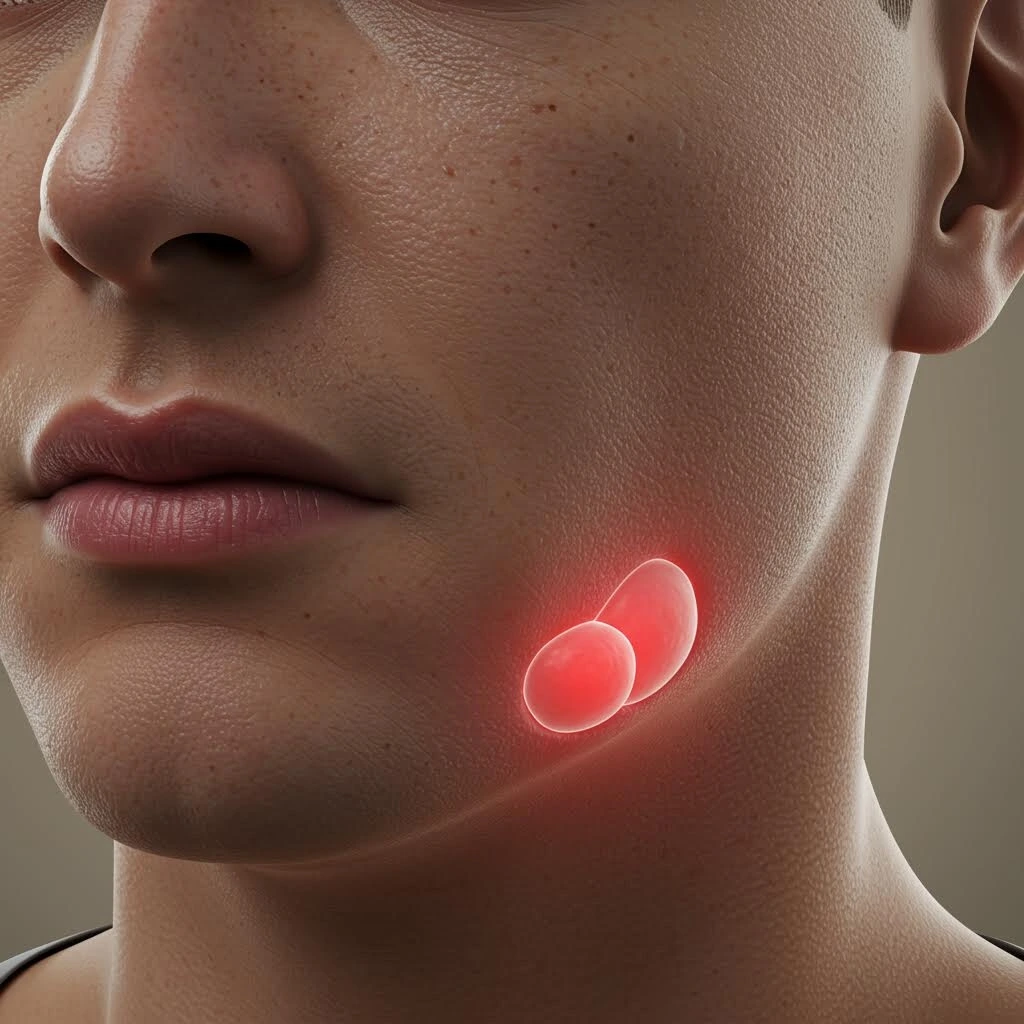
Temporomandibular disorders manifest through a range of symptoms that can significantly affect one’s quality of life. One of the most prevalent symptoms is jaw pain, which can be persistent or intermittent. This pain often radiates to the neck and shoulders, exacerbating discomfort.
Headaches are another common symptom associated with TMD. These headaches are usually tension-type and can be mistaken for migraines, leading to misdiagnosis if not properly evaluated. The connection between TMD and headaches is due to the shared neural pathways and muscle groups involved.
Individuals with TMD may also experience clicking or popping sounds when opening or closing their mouths. This audible symptom indicates that the joint may not be functioning smoothly. Additionally, some may suffer from jaw locking, where the jaw becomes stuck in an open or closed position, limiting normal functions.
Other symptoms include earaches, which occur due to the proximity of the TMJ to the middle ear. This can sometimes lead to misinterpretation as ear infections. Furthermore, individuals might experience dizziness or vertigo, adding to the complexity of diagnosing TMD.
How Your Dentist Can Help with Jaw Pain
Diagnosing and managing TMD requires a comprehensive approach, often led by dental professionals. Dentists play a crucial role in identifying the root cause of jaw pain and providing effective treatment options. The first step in treatment is often a thorough examination and discussion of symptoms to pinpoint the disorder.
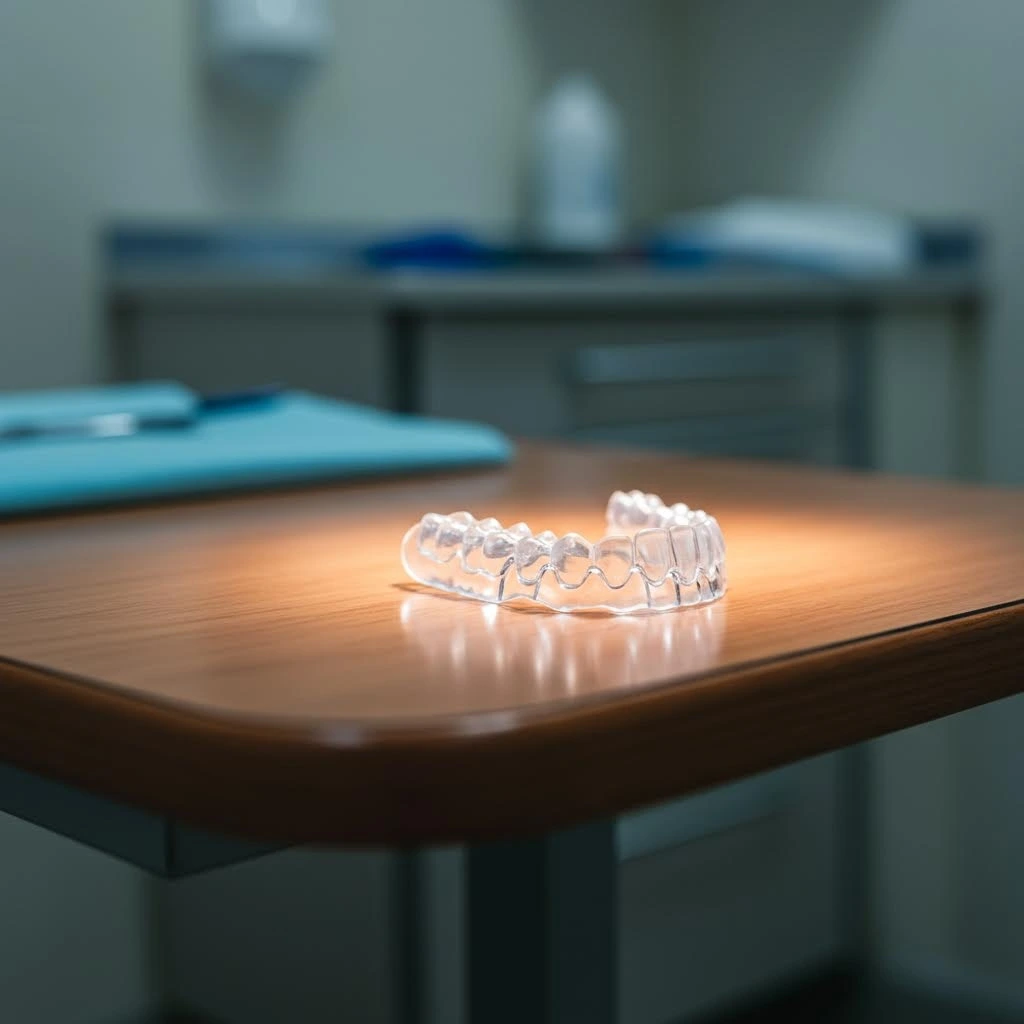
One of the primary interventions is the use of a night guard. This custom-made appliance helps alleviate tension on the jaw by preventing teeth grinding and clenching during sleep, which are common exacerbators of TMD symptoms.
Additionally, dentists may recommend exercises to strengthen jaw muscles and improve mobility. These exercises, often coupled with physical therapy, can enhance jaw function and reduce pain over time.
In more severe cases, dental professionals may suggest medication to manage pain and inflammation. These can include non-steroidal anti-inflammatory drugs (NSAIDs) or muscle relaxants. For chronic conditions, corticosteroid injections into the joint can provide relief.
Beyond immediate relief, dentists also emphasize lifestyle modifications. Stress management techniques, such as relaxation exercises and mindfulness, can be effective in reducing the clenching and tension that exacerbate TMD symptoms. Dietary changes, such as consuming softer foods and avoiding gum chewing, can also alleviate strain on the jaw.
In conclusion, understanding the signs of TMJ and TMD is crucial for seeking appropriate treatment. With the help of dental professionals, individuals can find relief from the debilitating symptoms associated with these disorders. By addressing the root causes and implementing a comprehensive treatment plan, it is possible to restore jaw function and improve overall quality of life.