About Dental Bonding
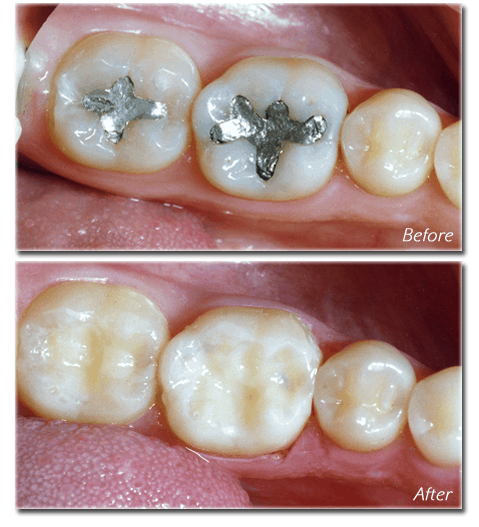
Dental bonding is a versatile cosmetic procedure often used to repair chipped, cracked, or discolored teeth. This treatment involves applying a tooth-colored resin material to the affected tooth, which is then hardened using a special light. The process is relatively quick and can often be completed in a single visit to the dentist. Bonding is popular for its affordability and ability to quickly restore the appearance of teeth without extensive preparation.
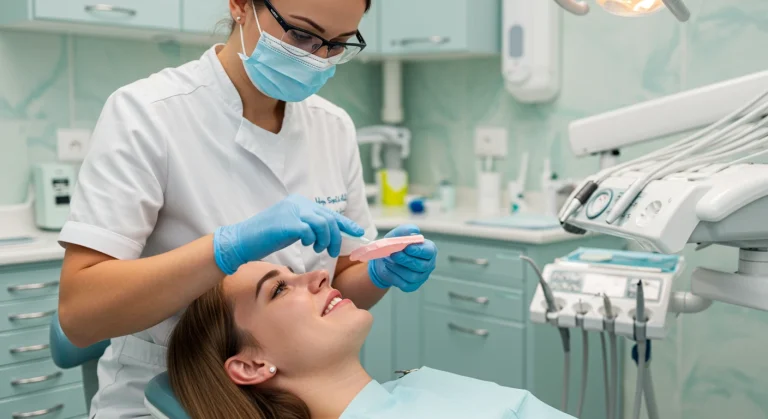
The procedure starts with the dentist roughening the surface of the tooth and applying a conditioning liquid. This helps the bonding material adhere better. The resin is then applied, molded, and shaped to achieve the desired look. Once in place, the material is hardened with an ultraviolet light or laser. Finally, the dentist will trim, shape, and polish the bonded material to match the shine of the surrounding teeth.
About Porcelain Veneers
Porcelain veneers are thin, custom-made shells designed to cover the front surface of teeth. They are crafted from high-quality dental porcelain, which mimics the natural look of tooth enamel. Veneers are often used for more extensive cosmetic corrections, such as altering tooth size, shape, and color. They are especially popular for creating uniform, aesthetically pleasing smiles.
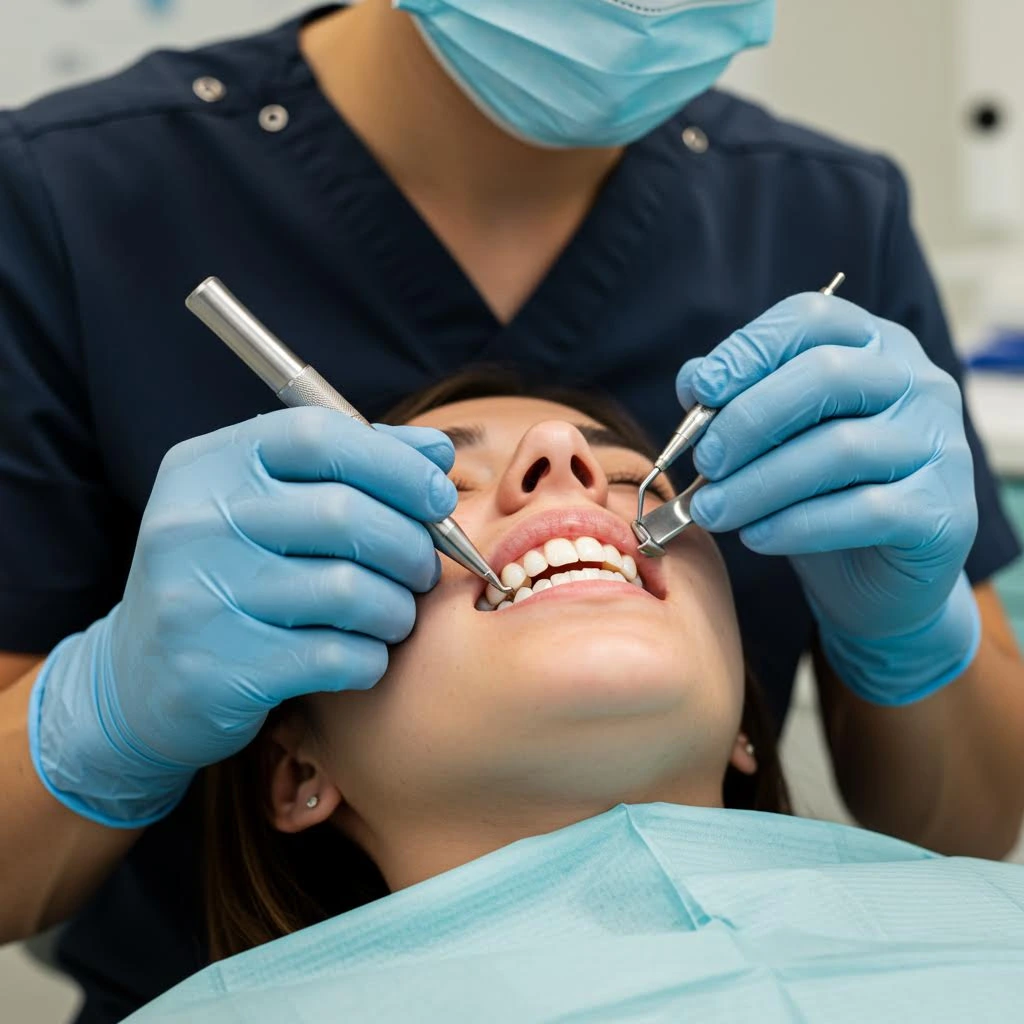
The process of getting veneers typically requires multiple visits. Initially, the dentist will remove a thin layer of enamel from the tooth surface to make room for the veneer. An impression of the tooth is taken and sent to a dental lab where the veneer is custom-made. In the meantime, temporary veneers may be placed. Once the permanent veneers are ready, they are bonded to the teeth with a strong adhesive and polished to blend seamlessly with the natural teeth.
Key Differences: Cost, Durability, and Process
When considering dental bonding vs veneers, there are several key differences to keep in mind, including cost, durability, and the process involved.
Cost
In terms of cost, dental bonding is generally more affordable than veneers. The lower cost is due to the simplicity and speed of the procedure, as well as the materials used. Bonding is an excellent option for those on a budget or those who need minor cosmetic improvements.
Veneers, on the other hand, are more expensive. This is because they involve custom fabrication in a dental lab, and the materials used are typically more durable and aesthetic. However, for those seeking significant aesthetic changes or a long-lasting solution, veneers can be a worthwhile investment.

Durability
While dental bonding is effective for minor repairs, it is not as durable as veneers. Bonded teeth can last several years with proper care, but the material is more prone to staining and chipping over time, especially if exposed to hard or sticky foods.
Porcelain veneers are highly durable and resistant to stains, making them a desirable choice for those looking for a long-term cosmetic solution. With proper maintenance, veneers can last 10 to 15 years or even longer.
Process
The process for dental bonding is straightforward and usually completed in a single visit. It is non-invasive, with minimal preparation required, making it a convenient option for patients looking for quick results.
Veneers require a more involved process, with multiple visits needed for preparation, impressions, and fitting. Despite the longer timeline, many patients find the results worth the wait, as veneers offer a dramatic transformation in the appearance of their smile.
Ultimately, the choice between dental bonding and veneers depends on individual needs, budget, and the desired outcome. Consulting with a cosmetic dentist in Houston can provide personalized recommendations based on your specific situation. Whether you have a chipped tooth requiring repair or are looking for a complete smile makeover, understanding the differences between these two treatments can help you make an informed decision.