The Initial Consultation
The journey of getting a dental implant begins with a thorough initial consultation, a critical step that sets the foundation for a successful procedure. During this consultation, a restorative dentist will evaluate your oral health, discuss your medical history, and take necessary imaging, such as X-rays or CT scans, to assess bone structure and determine the best approach for implant placement.
Patients often wonder about the viability of implants, especially concerning bone density and overall health. The dentist will also discuss any pre-existing conditions that might affect the procedure, such as diabetes or osteoporosis, and will evaluate the need for additional treatments like bone grafts.
Understanding Your Needs
Every patient has unique needs. The consultation is an opportunity to discuss your aesthetic goals, budget, and any concerns or questions you might have. The dentist will explain the entire process, including the expected timeline and potential risks, ensuring you are informed and comfortable with the proposed plan.
The Implant Placement Procedure
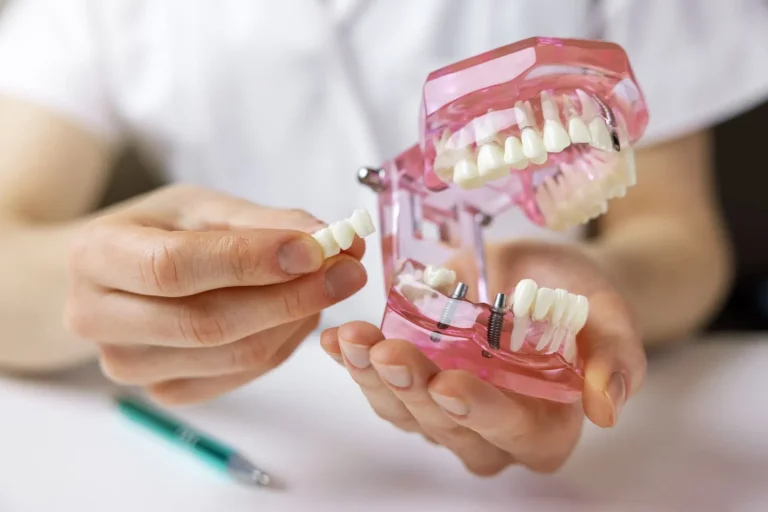
Following a successful consultation, the next step is the implant placement procedure. This surgical step involves placing a titanium post into the jawbone, which will serve as the root of your new tooth. The procedure is typically performed under local anesthesia, though sedation options are available for anxious patients.
The dentist will make an incision in the gum to expose the bone and then drill a hole to insert the implant. It’s a meticulous process that requires precision to ensure the implant is stable and correctly positioned.
Post-surgery Care
After the surgery, patients are usually advised to rest and adhere to a soft food diet to allow healing. Pain and swelling are normal, and your dentist will prescribe appropriate pain management strategies and antibiotics to prevent infection. Following post-operative care instructions is crucial for a smooth recovery.

Healing and Osseointegration
Healing and osseointegration are perhaps the most critical stages in the dental implant process. Osseointegration refers to the process where the implant fuses with the jawbone, forming a stable and durable foundation for the new tooth. This phase can take several months, often between three to six months, depending on the individual’s healing capacity.
During this period, regular check-ups are essential to monitor the implant’s integration and ensure no complications arise. Patients are advised to maintain excellent oral hygiene to prevent infections that could jeopardize the implant’s success.
Factors Affecting Healing
Several factors can influence the healing process, including the patient’s overall health, the quality of the bone, and adherence to dental advice. Smoking, for example, can significantly impede healing and osseointegration, so patients are encouraged to quit smoking before and after the procedure.

Attaching Your New Crown
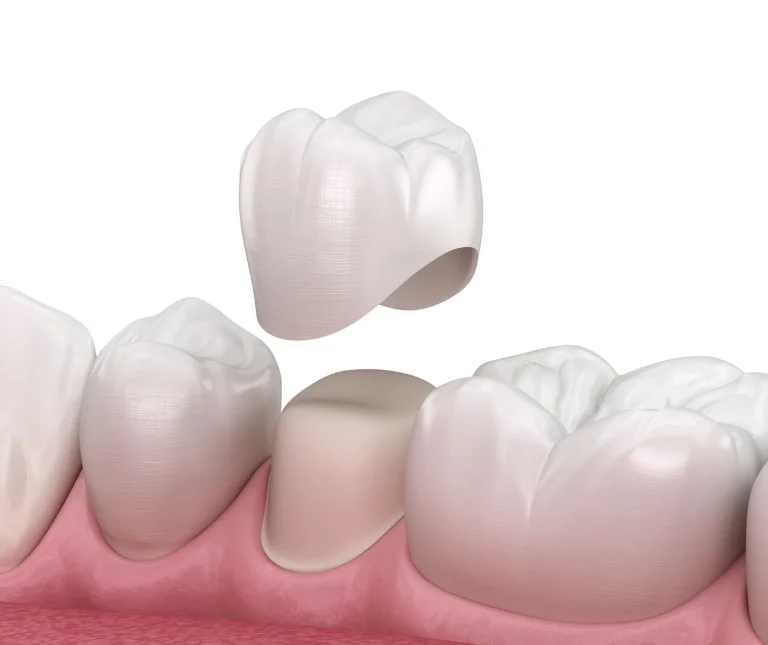
Once osseointegration is successful, the final step is attaching the dental crown. The crown is custom-made to match the color, size, and shape of your natural teeth for a seamless and natural appearance. The dentist will take impressions of your teeth to create a crown that fits perfectly.
Once the crown is ready, it is attached to the abutment, a small connector post that joins the crown to the implant. This step is usually straightforward and pain-free, resulting in a fully functional and aesthetically pleasing new tooth.
Long-term Care and Maintenance
Dental implants require care similar to natural teeth. Regular brushing, flossing, and dental check-ups are essential to maintain the health of your implant and surrounding teeth. Your dentist will provide detailed instructions on caring for your new implant to ensure it lasts for many years, if not a lifetime.
Getting a dental implant is a significant decision that can transform your smile and improve your quality of life. By understanding each step of the process and working closely with a skilled restorative dentist, you can achieve a successful outcome and enjoy the benefits of a restored smile.