How a Bridge Works
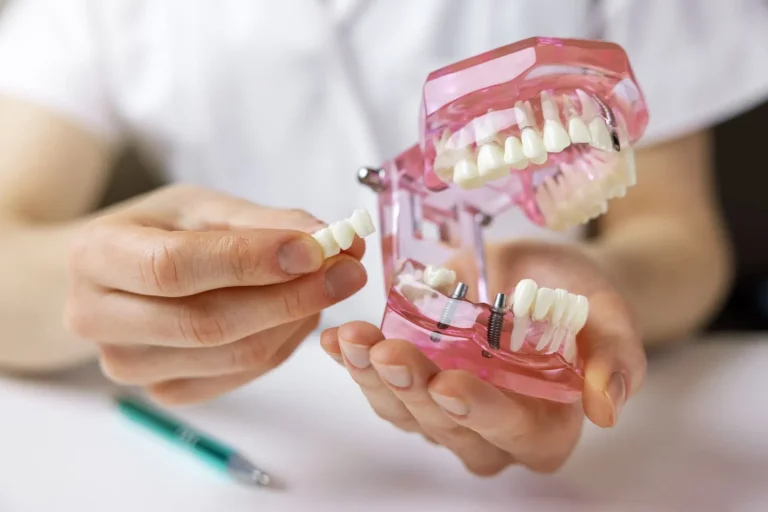
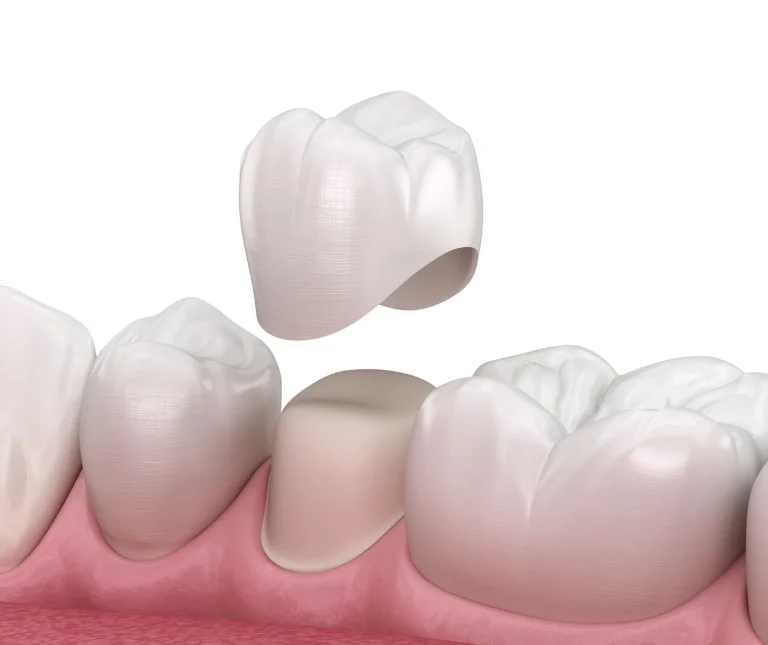
Dental bridges are a common solution for replacing missing teeth. They consist of one or more artificial teeth known as pontics, which are anchored in place using the adjacent natural teeth or implants. The bridge spans the gap left by the missing tooth, restoring both function and appearance. Typically, the process involves preparing the abutment teeth by removing some of the enamel to make room for the crowns. The bridge is then custom-made in a dental lab to fit the specific gap and color-matched to blend with surrounding teeth.
One of the primary advantages of a dental bridge is that it can be a quicker solution than implants, often completed in a few weeks. Additionally, they are generally less expensive upfront. However, because they rely on adjacent teeth for support, bridges may compromise the health of these teeth over time. Regular maintenance and adjustments are also necessary to ensure the longevity of the bridge.
How a Single Implant Works
A single dental implant involves placing a titanium post directly into the jawbone, where it acts as an artificial tooth root. Over time, the implant fuses with the bone in a process known as osseointegration, providing a stable and durable foundation for a replacement tooth or crown. This process can take several months, but it offers a long-lasting and natural-looking solution.
Single implants do not require alteration of adjacent teeth, preserving their health and structure. They also help maintain jawbone density, which can diminish after tooth loss. Although the initial cost of implants is higher, their durability and the preservation of oral health can make them more cost-effective in the long term.


Which Option May Be Better for You
Choosing between a dental bridge and a single implant depends on several factors, including oral health, budget, and personal preference. If adjacent teeth are already compromised or heavily restored, an implant might be the preferred option as it does not impose additional strain on these teeth. Implants are also ideal for those seeking a more permanent solution that mimics the look and function of natural teeth.
On the other hand, if a patient is looking for a faster solution or has economic constraints, a dental bridge might be more suitable. For those living in Houston or similar areas, local restorative dentistry services can provide consultations to help determine the best treatment plan based on individual needs and conditions.
Both options have their own sets of advantages and limitations. Consulting with a dental professional can provide valuable insights into which choice aligns with your specific dental health goals, ensuring a confident and healthy smile.