Dental Implants
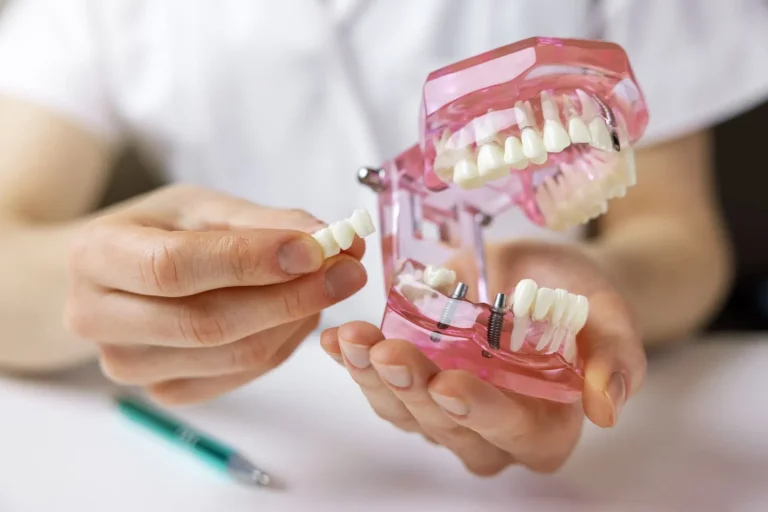
Dental implants are a popular and effective solution for replacing missing teeth. They act as artificial tooth roots, providing a permanent foundation for fixed or removable replacement teeth that are made to match your natural teeth. Implants are typically made of titanium, which integrates with the jawbone to prevent bone loss and maintain facial structure.
Benefits of Dental Implants
One of the main benefits of dental implants is their ability to mimic the function and appearance of natural teeth. They are durable and can last a lifetime with proper care. Unlike dentures, implants do not slip or click while eating or speaking, providing a more natural experience.
Considerations for Dental Implants
The process of getting dental implants requires sufficient bone structure. If the jawbone has deteriorated, a bone graft might be necessary. Additionally, the procedure involves surgery and a healing period, during which the implant fuses with the bone. It’s crucial to maintain excellent oral hygiene to prevent infections and ensure the longevity of the implants.
Dental Bridges
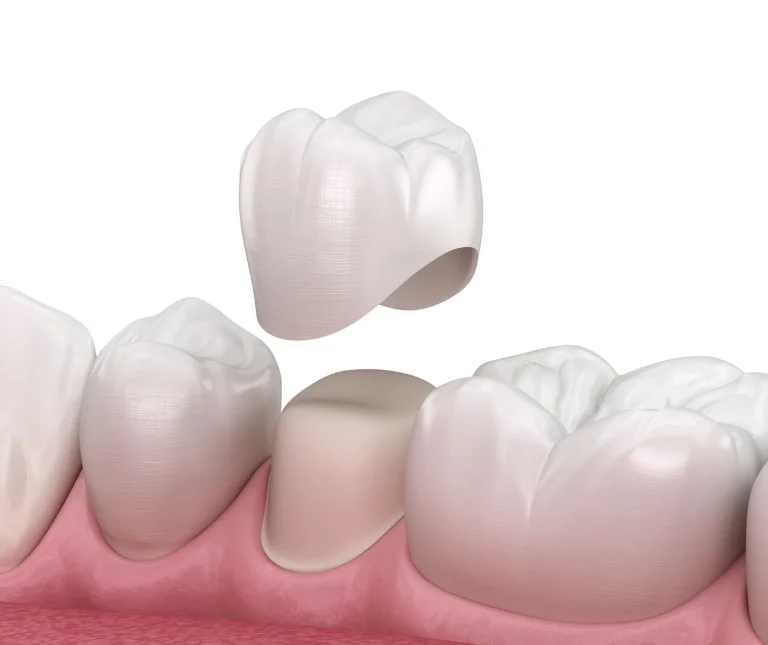
Dental bridges literally bridge the gap created by one or more missing teeth. A bridge is made up of two or more crowns for the teeth on either side of the gap and a false tooth or teeth in between. These false teeth can be made from gold, alloys, porcelain, or a combination of these materials.
Advantages of Dental Bridges
Bridges can restore your smile, improve your ability to chew and speak, and maintain the shape of your face. They also help distribute the forces in your bite properly by replacing missing teeth, and can prevent remaining teeth from drifting out of position.
Drawbacks of Dental Bridges
While bridges are less invasive than implants, they require the reduction of adjacent teeth, which can compromise their strength. Additionally, bridges typically last around 10 years before they need replacement or maintenance.
Dentures: Traditional and Modern Options
Dentures are removable appliances that can replace missing teeth and help restore your smile. They are typically made of acrylic resin, sometimes in combination with various metals.
Traditional Dentures
Traditional dentures are either full or partial. Full dentures are used when all the teeth are missing, while partial dentures are used when some natural teeth remain. They are affordable and can be made quickly, making them a popular choice for many patients.

Modern Dentures
Advancements in dental technology have led to the development of modern dentures that offer improved fit, comfort, and aesthetics. Implant-supported dentures, for example, anchor to dental implants for enhanced stability.
Challenges with Dentures
Traditional dentures may feel bulky and can slip during eating or speaking. They also require regular adjustments and replacements over time due to changes in the mouth structure.
Guidance on Choosing the Best Option
Choosing the right solution for missing teeth depends on several factors, including your dental health, budget, and personal preferences. Dental implants, while more expensive upfront, offer a long-term solution that closely resembles natural teeth. Bridges provide a less invasive, yet effective alternative but may require more maintenance over time. Dentures offer the most affordable and quickest solution, but they might not provide the same level of comfort or functionality as implants or bridges.
Consulting with a dental professional is crucial to understanding the best options tailored to your specific needs. A comprehensive evaluation and discussion about your lifestyle, oral health, and financial considerations will guide you towards the most suitable choice for restoring your smile and confidence.