When Saving the Natural Tooth Is Best
Preserving a natural tooth is often the preferred choice in restorative dentistry unless severe damage or decay makes it impractical. Retaining the natural tooth structure helps maintain jawbone integrity and facial aesthetics. Natural teeth have a unique ability to sense pressure due to their periodontal ligaments, which dental implants cannot replicate.
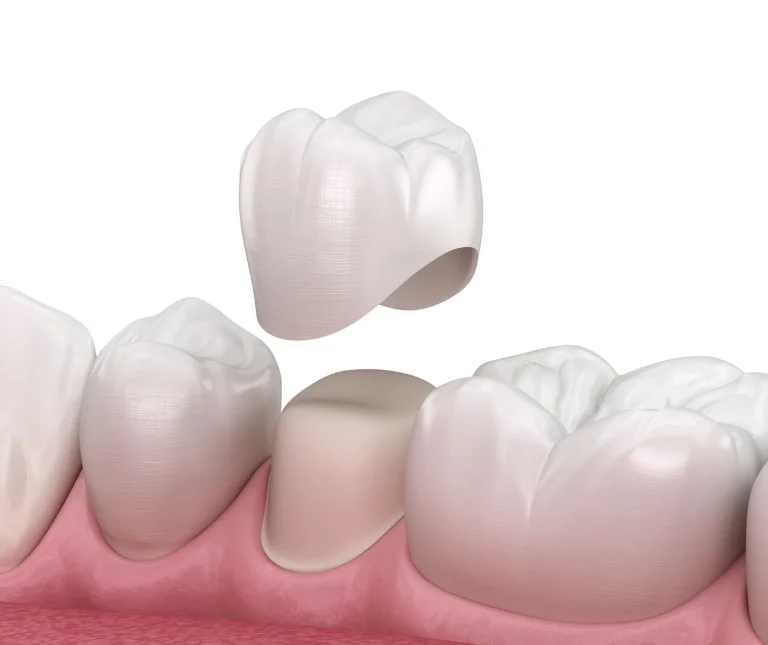
Consider a scenario where a tooth has a minor cavity or a small chip. In such cases, a filling or a crown can effectively restore functionality and appearance. Root canal therapy is another significant option for teeth with infected pulp, allowing the tooth to remain in place while removing the infection.
Benefits of Saving the Natural Tooth
Saving a tooth can prevent the need for more invasive procedures, reduce treatment time, and often be more cost-effective. Additionally, retaining the natural tooth helps maintain proper alignment and spacing, avoiding potential issues with bite and oral health.

When Not to Save a Tooth
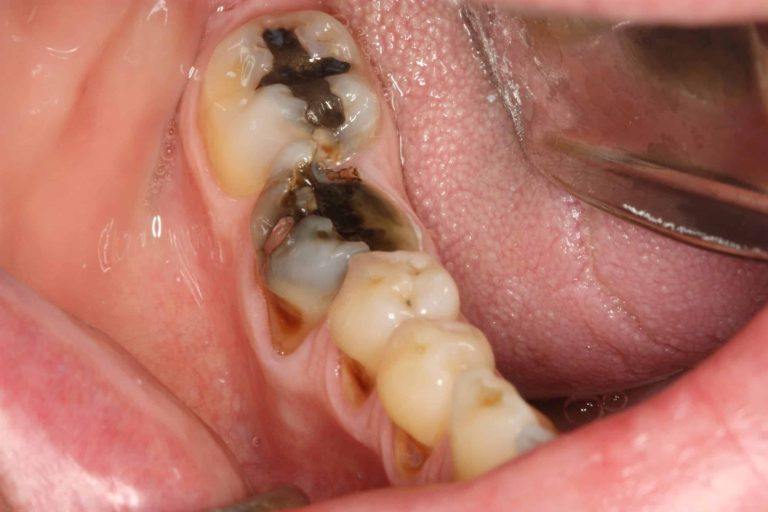
However, not all teeth can or should be saved. If a tooth is severely decayed beyond repair, or if it threatens the health of surrounding teeth, extraction might be the better option.
When Replacement May Be the Better Option
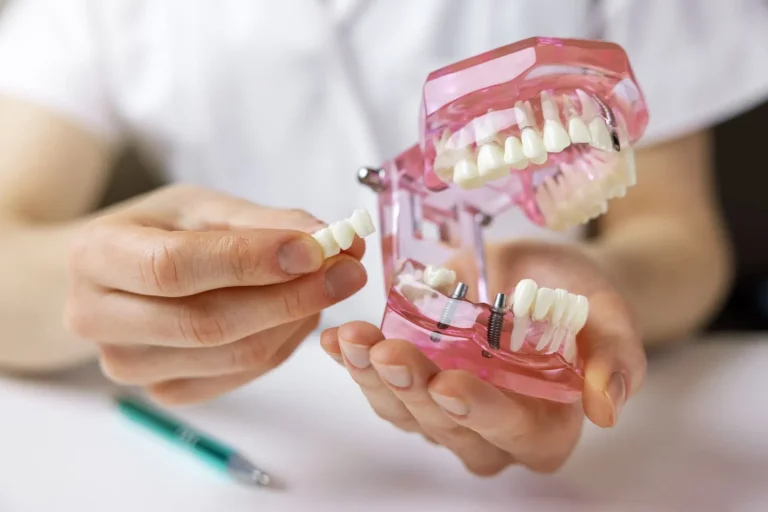
When a tooth is too damaged or poses a risk to overall oral health, replacement options such as dental implants, bridges, or dentures may be considered. Dental implants, in particular, have become a popular choice due to their durability and natural appearance.
Implants are titanium posts surgically placed into the jawbone, providing a strong foundation for artificial teeth. They help maintain bone structure and prevent the shifting of adjacent teeth.
Advantages of Tooth Replacement
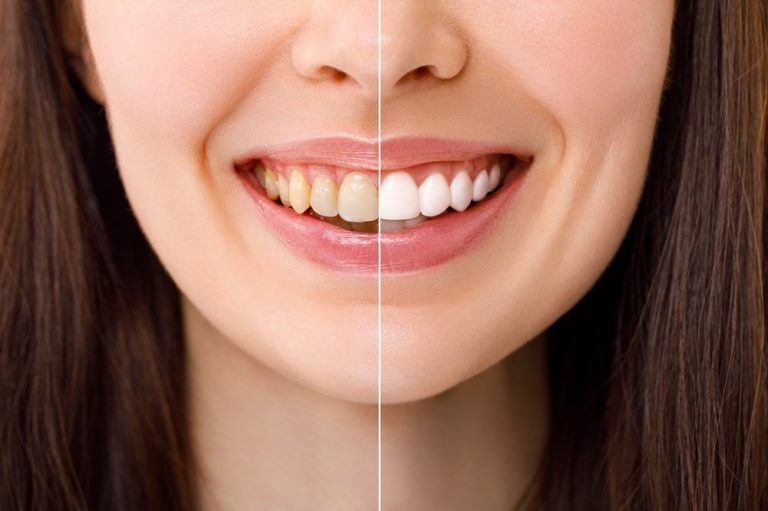
Replacing a tooth can alleviate pain, prevent infection, and improve overall oral function. It also offers aesthetic benefits, helping individuals regain confidence in their smile.
Choosing the Right Replacement Option
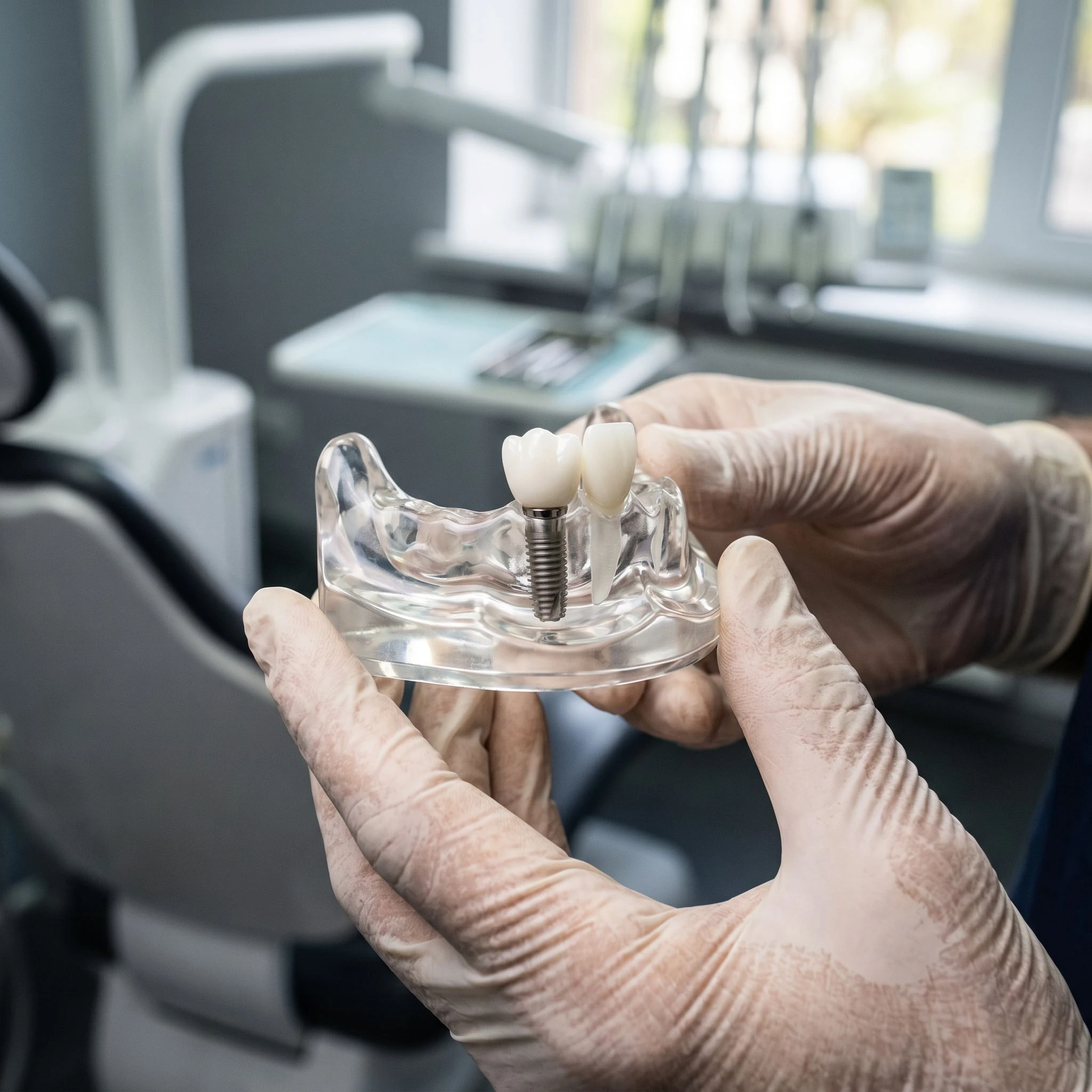
The choice between implants, bridges, and dentures depends on various factors, including the number of teeth missing, the health of the remaining teeth, and patient preference.
How We Help You Make the Decision
Deciding whether to save or replace a tooth involves a comprehensive evaluation by a dental professional. Our experts in restorative dentistry in Houston provide personalized assessments to determine the best course of action for each patient.
The process begins with a thorough examination, including X-rays and possibly 3D imaging, to assess the condition of the tooth and surrounding structures. Based on these findings, we discuss potential treatment options, weighing the pros and cons of saving versus replacing the tooth.
Patient-Centric Approach
We prioritize patient education, ensuring you understand each option’s implications and benefits. Our goal is to empower you to make an informed decision that aligns with your health goals and lifestyle needs.
Financial Considerations
Cost can often be a deciding factor in dental treatment decisions. Our team provides clear, upfront pricing and explores various financial options to make the recommended treatments accessible.
Long-Term Care and Follow-Up
Regardless of whether you choose to save or replace a tooth, follow-up care is crucial for long-term success. Our restorative dentistry team offers guidance on maintaining your dental health and scheduling regular check-ups to monitor the condition of your teeth.
In conclusion, the decision to save a tooth or replace it with an option like a dental implant involves multiple considerations, including the severity of the damage, potential impact on oral health, and personal preferences. Consulting with experienced professionals in restorative dentistry can help you navigate these choices to achieve optimal dental health.