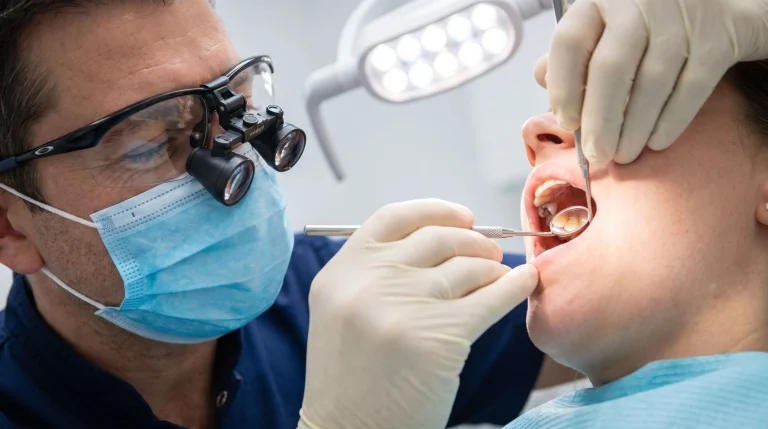
Maintaining oral health is crucial for overall well-being, and deep cleaning for gums plays a vital role in this. Often overlooked, gum health is as important as tooth health, and neglecting it can lead to serious problems. This blog post delves into what a deep cleaning for gums entails, when it’s needed, and how it can help stop gum disease.
When a Deep Cleaning Is Needed
Deep cleaning, also known as scaling and root planing, becomes necessary when plaque and tartar build-up along the gum line, leading to inflammation and gum disease. Regular dental check-ups can help in identifying the early signs of gum disease, such as redness, swelling, or bleeding gums. At this stage, a deep cleaning may be recommended by your Houston dentist to prevent further progression.
Gum disease, or periodontal disease, is a common but serious condition affecting the gums and bones supporting the teeth. When left untreated, it can lead to tooth loss and other health complications. It is crucial to recognize the signs early and seek a professional evaluation to determine if a deep cleaning is required.
Identifying the Signs
Some common indicators that you may need a deep cleaning include persistent bad breath, gums that bleed easily, receding gums, and loose teeth. These symptoms indicate an ongoing bacterial infection that can only be effectively managed through professional intervention.
It’s important to note that not everyone with these symptoms will need a deep cleaning, as mild cases can often be managed with improved oral hygiene practices. However, for those with moderate to severe gum disease, scaling and root planing is often the best course of action.
What Happens During Scaling and Root Planing
Scaling and root planing is a non-surgical procedure that involves cleaning between the gums and teeth down to the roots. This process is typically performed in two phases: scaling and root planing.
Scaling
The first step, scaling, involves removing plaque and tartar from the tooth surfaces and beneath the gums. Special dental instruments are used to meticulously clean the areas that are hard to reach with regular brushing and flossing. This process may take several visits, especially if the build-up is extensive.
Root Planing
Following scaling, the root planing process smooths the tooth roots, helping the gums reattach to the teeth. This smoothing reduces the risk of further plaque build-up and helps the gums heal, effectively reducing pocket depth between the teeth and gums.
The Procedure
The procedure can be performed using manual tools or ultrasonic devices, depending on the extent of the condition and the dentist’s preference. Local anesthesia is often used to minimize discomfort, and each session can last anywhere from 45 minutes to over an hour.
After the procedure, patients may experience some tenderness, swelling, or minor bleeding, which typically resolves within a few days. Dentists may recommend a follow-up appointment to monitor healing and ensure the gums are recovering properly.
How It Helps Stop Gum Disease
Deep cleaning plays a pivotal role in halting the progression of gum disease. By removing the bacterial build-up and smoothing the root surfaces, it eliminates the environment that allows bacteria to thrive, thereby preventing further damage to the gums and supporting bone.

Healing and Maintenance
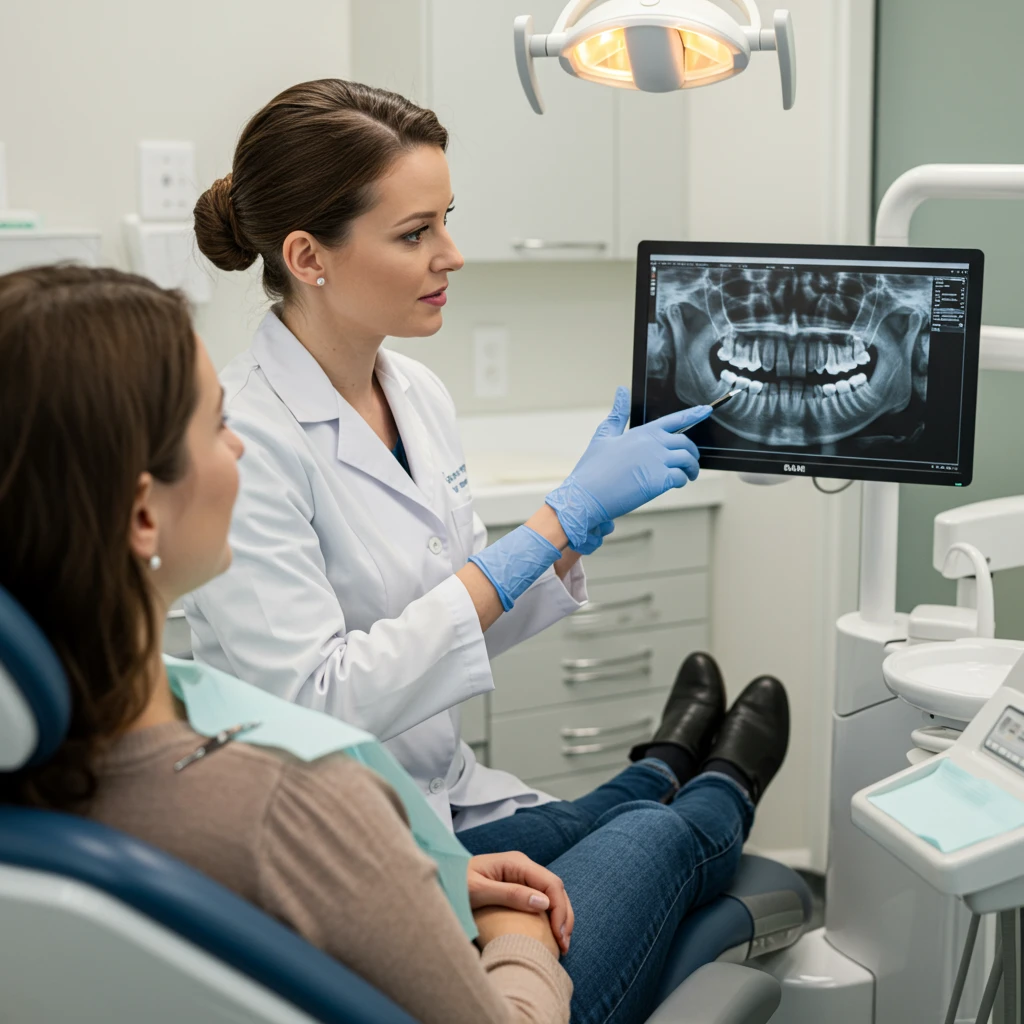
Post-procedure, the gums can heal and reattach to the teeth more snugly, reducing the pockets where bacteria can grow. This healing process is crucial for reversing the effects of gum disease and preventing tooth loss.
Maintaining oral hygiene post-treatment is essential to ensure long-term success. Regular brushing, flossing, and professional cleanings must be part of the routine to prevent the recurrence of gum disease.
Overall Health Benefits
Research has shown links between gum disease and other health issues, like heart disease and diabetes. By effectively managing gum disease through procedures like scaling and root planing, individuals can potentially reduce their risk of developing these systemic conditions.
In conclusion, deep cleaning for gums is a crucial procedure for those at risk of gum disease. By understanding when it is needed, what the procedure entails, and how it benefits overall health, patients can make informed decisions about their oral care. If you suspect you might need a deep cleaning, consulting with an experienced Houston dentist can provide you with the guidance and care required to maintain healthy gums and teeth.