Dental implants have emerged as a popular and effective solution for replacing missing teeth, offering a permanent alternative that closely mimics natural teeth in both appearance and function. According to Johns Hopkins Medicine, dental implants provide a conservative and long-term approach to restoring missing teeth, replicating the look and functionality of natural dentition.
What Are Dental Implants?
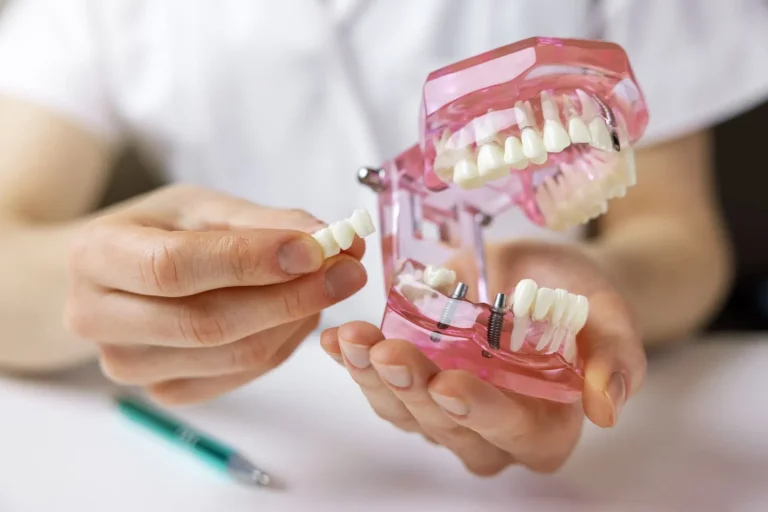
Dental implants are artificial tooth roots surgically placed into the jawbone to support replacement teeth. Unlike removable dentures or fixed bridges, implants provide a long-term solution that becomes a permanent part of your mouth.
Typically, dental implants consist of three main components:
- Titanium Post: Acts as the tooth root and is surgically inserted into the jawbone.
- Abutment Connector: Links the titanium post to the crown.
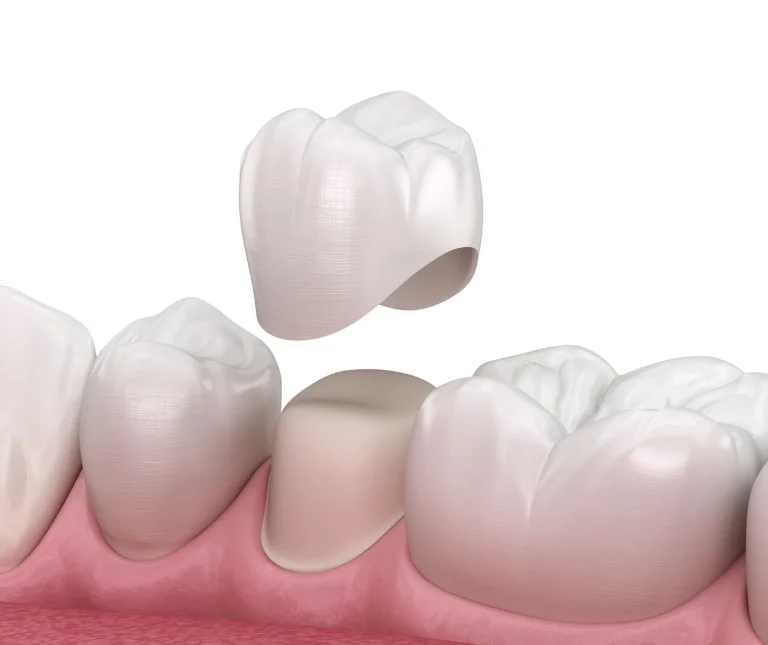
- Crown: The visible part resembling a natural tooth.
The process of getting a dental implant involves several stages:
- Initial Consultation: Assessment of oral health and suitability.
- Implant Placement Surgery: Insertion of the titanium post into the jawbone.
- Osseointegration: Healing phase where the jawbone fuses with the implant (lasting several months).
- Abutment Placement: Placement of the connector piece.
- Crown Attachment: Final step to restore the appearance and function of the tooth.
The osseointegration process is crucial for the implant’s long-term stability, as it provides a solid foundation for the replacement tooth.
Ideal Candidates for Dental Implants
Dental implants are suitable for individuals who:
- Have good oral health and no active gum disease.
- Possess sufficient bone density to support the implant.
- Have fully developed jawbones (typically between ages 18-25).
- Are in good overall health, as certain medical conditions or medications may affect healing.
While there’s no upper age limit, factors such as smoking or poor oral hygiene may influence success rates. Dentists often recommend quitting smoking to improve outcomes. Additionally, candidates must commit to maintaining good oral hygiene practices to ensure the longevity of the implants.
Benefits and Risks of Dental Implants
Benefits
- Natural Appearance: Implants look and feel like natural teeth.
- Durability: With proper care, implants can last a lifetime, unlike dentures or bridges that may require replacement every 5-15 years.
- Bone Preservation: Implants stimulate bone growth and prevent bone loss associated with missing teeth.
- Convenience: No need for special cleaning solutions or adhesives.
Risks
- Higher Initial Cost: Implants are more expensive upfront compared to other tooth replacement options.
- Surgical Risks: Potential complications such as infection or nerve damage.
- Time-Consuming Process: The entire procedure can take several months.
- Rare Complications: Such as implant failure or peri-implantitis.
Despite these considerations, dental implants remain one of the most effective and long-lasting solutions for tooth replacement.
Consulting a Dental Professional
Before deciding on dental implants, it’s essential to consult with a qualified dental professional. During the initial consultation, your dentist will:
- Evaluate your oral health, bone density, and overall medical history.
- Discuss your lifestyle, budget, and long-term oral health goals.
- Provide alternative options if implants are not the best fit for your situation.
This personalized assessment ensures you receive the most appropriate treatment tailored to your specific needs.
Conclusion
Dental implants are a reliable and effective solution for restoring missing teeth, offering long-term functionality and aesthetic benefits. However, it’s important to weigh the benefits and risks and consult a dental professional to determine if implants are right for you. With proper care, implants can provide a lifetime of confidence and comfort.