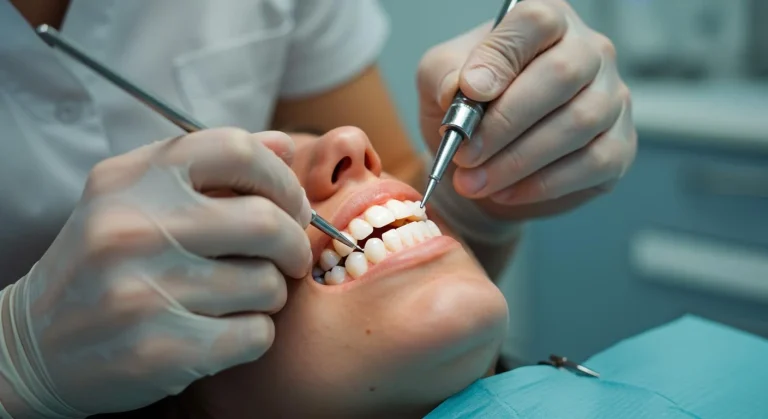
Missing teeth can impact more than just your smile—they can affect your confidence, oral health, and overall quality of life. Fortunately, dental implants have emerged as a revolutionary solution for replacing missing teeth. Designed to look, feel, and function like natural teeth, implants offer a permanent and reliable option for restoring your smile. In this blog, we’ll explore how dental implants work, how they compare to bridges and dentures, and what to expect during the recovery process.
How Do Dental Implants Work?
Dental implants are a state-of-the-art solution for replacing missing teeth. Unlike traditional dentures or bridges, implants are surgically placed into the jawbone, providing a stable and long-lasting foundation for replacement teeth.
What Materials Are Used in Dental Implants?
Dental implants are typically made from biocompatible materials like titanium or zirconia. These materials are chosen for their durability, strength, and ability to fuse with the jawbone. The implant itself is a small screw-like post that acts as an artificial tooth root, while the crown (the visible part of the tooth) is usually made from porcelain or ceramic to mimic the appearance of natural teeth.
How Does the Implant Fuse with the Jawbone?
The process of fusion between the implant and the jawbone is called osseointegration. After the implant is placed, the surrounding bone gradually grows around it, securing it firmly in place. This process can take several months but is crucial for ensuring the stability and longevity of the implant.
What Are the Different Types of Dental Implants?
There are several types of dental implants, including:
-
Endosteal Implants: The most common type, placed directly into the jawbone.
-
Subperiosteal Implants: Placed under the gum but above the jawbone, often used for patients with insufficient bone density.
-
All-on-4 Implants: A full-arch restoration supported by just four implants, ideal for patients missing multiple teeth.
Are Implants Better Than Bridges or Dentures?
When it comes to replacing missing teeth, you have several options, including dental implants, bridges, and dentures. Each has its pros and cons, but implants are often considered the gold standard for their durability and natural feel.
How Do Dental Implants Compare to Traditional Bridges?
-
Bridges: A dental bridge involves placing a false tooth (or teeth) between two crowns anchored to adjacent natural teeth. While bridges are less invasive and more affordable than implants, they require altering healthy teeth and may need replacement every 10–15 years.
-
Implants: Implants don’t rely on neighboring teeth for support, preserving your natural tooth structure. They also last longer, often a lifetime with proper care.
What Are the Advantages of Implants Over Removable Dentures?
-
Stability: Implants are fixed in place, eliminating the slipping or discomfort often associated with dentures.
-
Bone Preservation: Implants stimulate the jawbone, preventing bone loss that can occur with dentures.
-
Functionality: Implants restore nearly 100% of your biting and chewing ability, unlike dentures, which can restrict certain foods.
Which Option Is Best for Long-Term Oral Health?
Dental implants are generally the best option for long-term oral health. They prevent bone loss, maintain facial structure, and don’t compromise adjacent teeth. However, the best choice depends on your specific needs, budget, and oral health condition. Consulting with your dentist can help you make an informed decision.
What Is the Recovery Time for Dental Implants?
The recovery process for dental implants varies depending on the individual and the complexity of the procedure. However, understanding what to expect can help you prepare for a smooth healing journey.
How Long Does It Take for Implants to Heal?
The healing process typically takes 3–6 months, as the implant needs time to fuse with the jawbone. During this period, you may wear a temporary crown or denture to maintain aesthetics and function.
What Are the Main Post-Surgery Care Instructions?
-
Oral Hygiene: Brush and floss gently to keep the area clean, avoiding the surgical site initially.
-
Diet: Stick to soft foods like yogurt, soup, and mashed potatoes for the first few days. Avoid hard, crunchy, or sticky foods.
-
Medications: Take prescribed antibiotics or pain relievers as directed by your dentist.
-
Avoid Smoking: Smoking can delay healing and increase the risk of implant failure.
What Factors Can Affect the Success Rate of an Implant?
Several factors influence the success of dental implants, including:
-
Bone Density: Sufficient jawbone is necessary to support the implant. Bone grafting may be required if bone loss has occurred.
-
Oral Hygiene: Poor oral hygiene can lead to infections or implant failure.
-
Overall Health: Conditions like diabetes or autoimmune diseases can affect healing.
-
Lifestyle Habits: Smoking and excessive alcohol consumption can compromise implant success.
Conclusion
Dental implants are a game-changer for replacing missing teeth, offering a permanent, natural-looking solution that improves both function and aesthetics. Whether you’re missing one tooth or several, implants provide a reliable and long-lasting option that outperforms traditional bridges and dentures in many ways.
At H-Town Family Dentistry, we’re committed to helping you achieve a healthy, confident smile. If you’re considering dental implants, schedule a consultation with us to explore your options and take the first step toward restoring your smile. With proper care and expert guidance, dental implants can transform your oral health and quality of life for years to come.