Why Dental Fear Happens
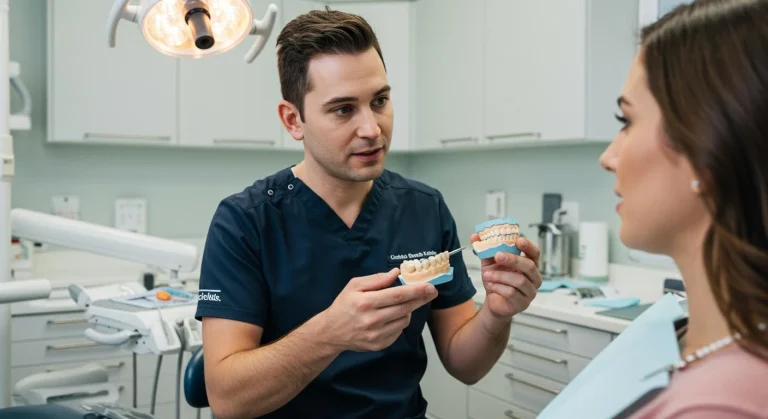
Dental fear in children is a common issue that many parents face. Understanding the root causes of this fear is the first step in helping your child overcome it. Various factors can contribute to a child’s anxiety about visiting the dentist. One of the main reasons is fear of the unknown. Children may not fully understand what to expect during a dental visit, leading to apprehension. Additionally, previous negative experiences, either personal or witnessed, can intensify this fear.
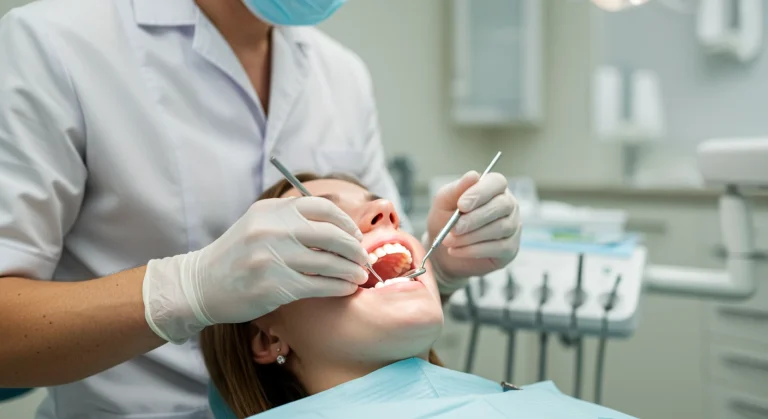
Children are also highly sensitive to the emotions of those around them. If parents or siblings express fear or anxiety about dental visits, children are likely to mirror those feelings. Moreover, the dental environment itself, with unfamiliar sounds, smells, and instruments, can seem intimidating to a young child. Recognizing these factors can help parents take proactive steps in addressing and alleviating their child’s dental anxiety.

How to Prepare Before the Visit
Preparation is key in reducing a child’s fear of the dentist. Start by having an open conversation about the upcoming visit. Use simple language to explain what will happen and why dental check-ups are important. Avoid using negative words like ‘pain’ or ‘hurt.’ Instead, focus on positive outcomes such as ‘clean teeth’ and ‘healthy smile.’
Reading children’s books about visiting the dentist can be an excellent way to familiarize them with the process. Look for stories that feature friendly characters and positive experiences. Role-playing can also be beneficial. Pretend to be the dentist and perform a mock examination using a toothbrush or flashlight. This playful approach can make the real visit seem less daunting.
It’s also helpful to schedule a tour of the dental office. Allow your child to meet the dentist and staff, see the equipment, and sit in the chair. Familiarity with the environment can significantly reduce anxiety. Additionally, try to book the appointment for a time when your child is well-rested and not hungry, as fatigue or hunger can exacerbate stress.

What Parents Should Say and Avoid Saying
The way parents communicate with their children about dental visits can greatly influence their child’s perception and experience. When talking to your child, use positive and encouraging language. Emphasize the importance of dental health and the benefits of regular check-ups.
Avoid using dental visits as a threat or punishment. Statements like ‘If you don’t brush your teeth, the dentist will give you a shot’ can instill fear rather than understanding. Instead, offer reassurance and support. Phrases such as ‘The dentist is here to help us keep our teeth healthy’ can cultivate a sense of trust and cooperation.
It’s also important to listen to your child’s concerns. Validate their feelings and offer comfort. Let them know it’s okay to feel scared and that you’re there to support them. Encourage them to ask questions and express their worries. By addressing their fears head-on, you can help mitigate anxiety and create a more positive dental experience.
By understanding why dental fear happens, preparing effectively before the visit, and using thoughtful communication, parents can play a crucial role in helping their child overcome their fear of the dentist. These strategies not only ease anxiety but also foster a lifelong habit of good oral health.