What is Orthodontic Relapse?
Orthodontic relapse occurs when teeth shift back towards their original positions after orthodontic treatment, such as braces, has been completed. This can happen for a variety of reasons including not wearing retainers as instructed, natural aging processes, or changes in oral health. Understanding orthodontic relapse is crucial for those considering retreatment options like Invisalign.
The shifting of teeth is a natural process that may occur over time due to the memory of the periodontal ligaments, which are still present even after braces have been removed. This is why consistent retainer use is often emphasized by orthodontists. Without it, the ligaments can pull the teeth back into their previous positions.
Many adults experience orthodontic relapse years after their initial treatment, leading them to seek solutions like Invisalign. This option can effectively correct misalignments without the discomfort and aesthetic concerns associated with traditional metal braces.
Why Invisalign is a Great Option for Retreatment
Invisalign offers a discreet and effective solution for those looking to correct orthodontic relapse. The clear aligners are custom-made to fit snugly over the teeth and gradually shift them into the desired position. This method is particularly appealing for adults who may feel self-conscious about wearing traditional braces again.
One of the significant advantages of Invisalign is its removability, which allows for easier cleaning and eating compared to traditional braces. Users can maintain better oral hygiene, reducing the risk of gum disease and cavities during the treatment process. This factor alone makes it an attractive option for adults who prioritize both aesthetics and convenience.
Furthermore, Invisalign treatments are typically faster than traditional braces. While the exact duration depends on the individual case, many adults find that their treatment is completed in a shorter timeframe, allowing them to enjoy their new smile sooner.
The Importance of Retainers This Time
After completing any orthodontic treatment, including Invisalign, wearing a retainer as directed by your orthodontist is crucial. Retainers are designed to hold teeth in their new positions, preventing relapse and ensuring that the results of the treatment are long-lasting.
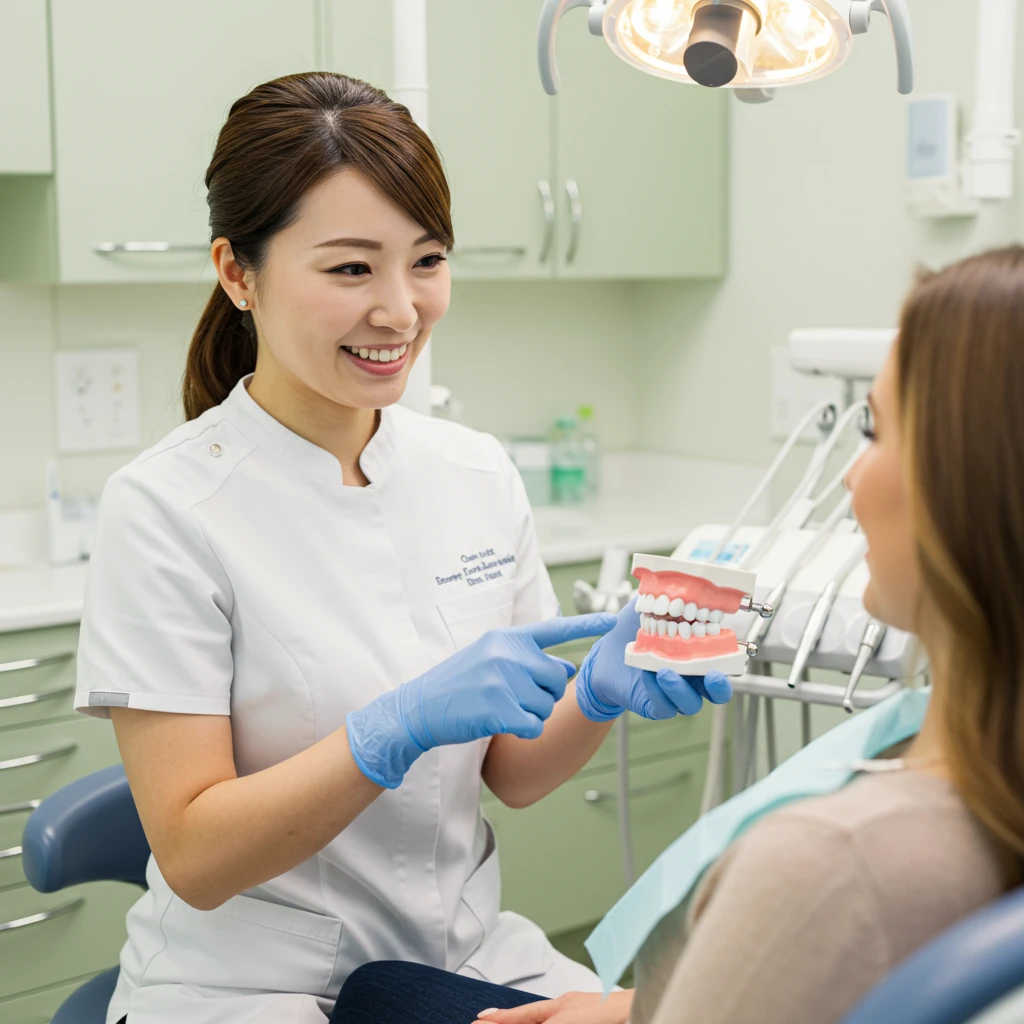
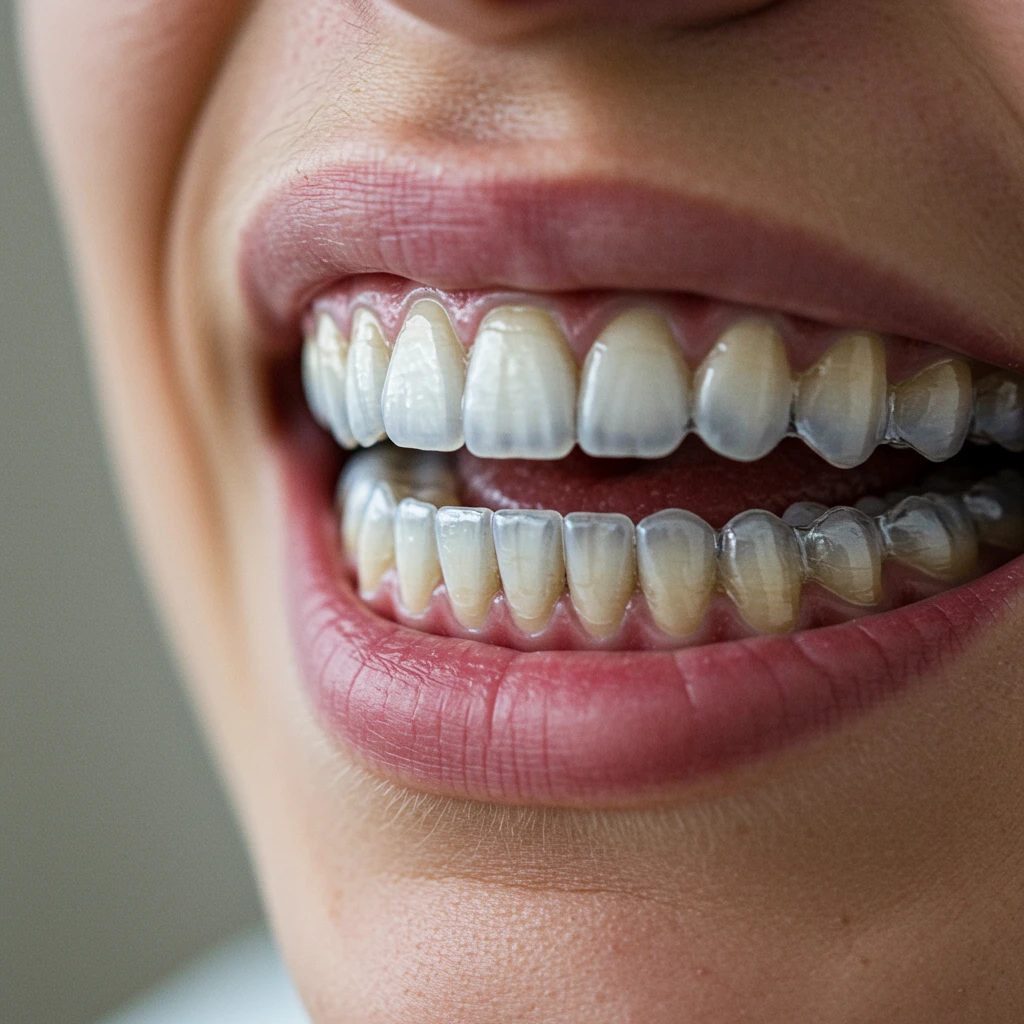
There are several types of retainers available, including fixed and removable options. Your orthodontist will recommend the best type based on your specific needs and lifestyle. Fixed retainers are bonded to the back of the teeth and provide a permanent solution, whereas removable retainers can be taken out during meals or for cleaning.
Consistent use of retainers can prevent the need for future retreatment, saving time and money in the long run. It’s essential to follow your orthodontist’s instructions regarding retainer wear to maintain the alignment achieved with Invisalign or any other orthodontic treatment.
In summary, if you’ve had braces before and are experiencing orthodontic relapse, Invisalign could be a suitable option for you. It offers a discreet way to correct misalignment without the hassle of traditional braces. However, to ensure the longevity of your results, commit to wearing your retainer as advised. This will help maintain your beautiful, straight smile for years to come.