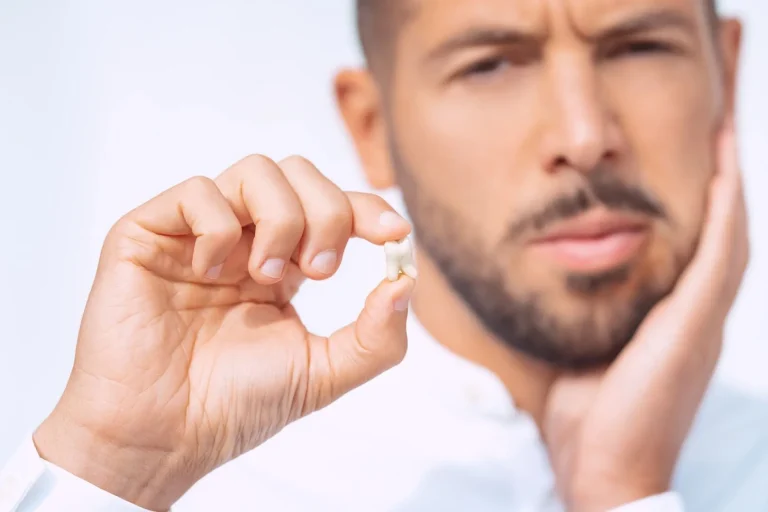
Teeth whitening is a popular cosmetic dentistry treatment in Houston, offering a brighter, more radiant smile. However, many people experience some level of tooth sensitivity after undergoing whitening treatments. If you’re wondering whether this is normal, the short answer is yes. In this comprehensive guide, we’ll explore why whitening can cause sensitivity, how long it typically lasts, and offer practical tips to help you stay comfortable.
Why Whitening Can Cause Sensitivity
Teeth whitening treatments work by using bleaching agents, typically hydrogen peroxide or carbamide peroxide, which penetrate the enamel to break down stains. However, this process can temporarily increase the porosity of your enamel, allowing the bleaching agents to reach the dentin layer beneath. The dentin contains tiny tubules that lead to the nerve center of the tooth, which can cause a temporary increase in sensitivity.
Additionally, some whitening products involve the use of heat or light to accelerate the bleaching process, which can further contribute to sensitivity. It’s important to note that sensitivity is a common and generally temporary side effect of whitening treatments, and understanding this can help alleviate concerns.
How Long It Usually Lasts
Tooth sensitivity following a whitening treatment is typically short-lived. Most individuals find that the sensitivity subsides within a few days to a week after the treatment. However, the duration can vary depending on several factors, including the strength of the whitening agent used, the method of application, and individual sensitivity levels.
If you’re experiencing prolonged sensitivity that lasts more than a week, it’s advisable to consult with your dentist. They can assess your situation and recommend appropriate measures to alleviate discomfort.
Tips to Stay Comfortable
Fortunately, there are several strategies you can employ to minimize discomfort and protect your sensitive teeth after a whitening treatment:


Use Desensitizing Toothpaste
Switch to a toothpaste designed for sensitive teeth. These products contain ingredients like potassium nitrate or stannous fluoride that help block the transmission of pain signals from the surface of the tooth to the nerve.
Avoid Extreme Temperatures
Avoid consuming very hot or cold foods and beverages, as these can exacerbate sensitivity. Opt for lukewarm or room temperature alternatives to reduce discomfort.
Moderate Whitening Sessions
If you’re using at-home whitening products, consider spacing out your treatments or reducing the duration of each session. This can help minimize sensitivity while still achieving gradual whitening results.
Consult Your Dentist
If sensitivity persists or is severe, consult your dentist. They may recommend professional-grade desensitizing treatments or suggest alterations to your whitening regimen.
By understanding the causes of whitening-related sensitivity and taking proactive steps, you can enjoy a brighter smile while minimizing discomfort. Remember, tooth sensitivity is common but manageable, and with the right care, you can maintain a healthy and radiant smile.