When to Start Brushing
New parents often wonder when the right time is to start brushing their child’s teeth. The answer is simple: as soon as the first tooth appears, typically around six months of age. Early brushing helps establish a routine and prevents the buildup of plaque.
Using a small, soft-bristled toothbrush is crucial. At first, you might just brush with water, gradually introducing a tiny smear of fluoride toothpaste as the child grows. The American Dental Association recommends using fluoride toothpaste as soon as the teeth appear, but in very small amounts to avoid ingestion.
Start a routine by brushing twice daily, once in the morning and once before bed. This not only helps in maintaining oral hygiene but also instills a habit that can last a lifetime. Remember, supervision is key, as children may not have the dexterity to brush effectively until they are around 7 to 8 years old.
It’s also essential to make the process fun and engaging. Allow your child to choose their toothbrush color or a toothpaste flavor they like. This can make them more excited about brushing, especially when it’s time for morning and bedtime routines.
Brushing Techniques for Toddlers
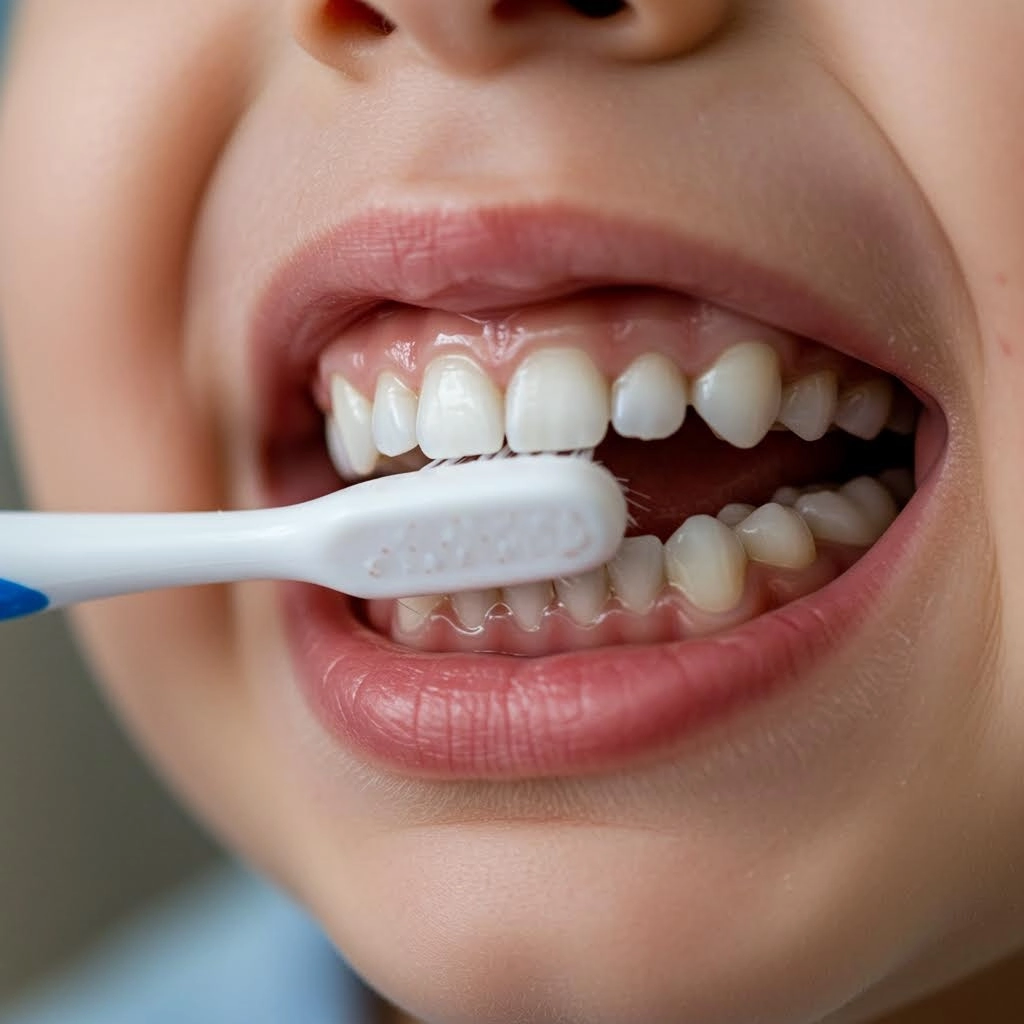
As children grow into toddlers, they become more independent, and their oral care routine needs to adapt. At this stage, it’s important to transition from just guiding them to allowing them to take more responsibility. However, supervision is still necessary.
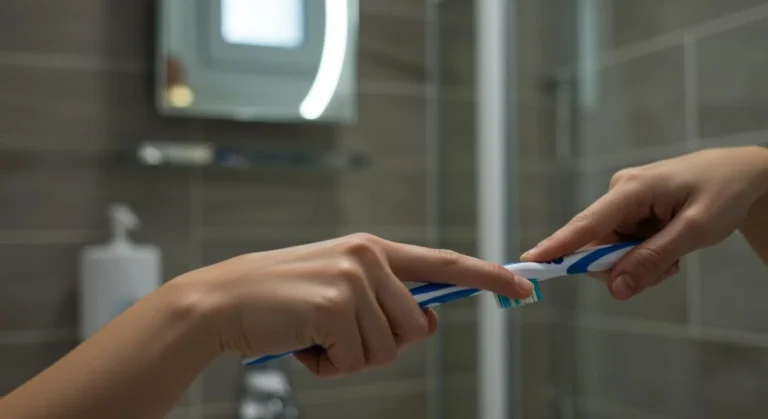
Begin by demonstrating how to hold the toothbrush properly. Show them how to use gentle, circular motions to cover all surfaces of the teeth, including the front, back, and chewing surfaces. Encourage them to brush their tongue as well, which can help in reducing bacteria in the mouth.
Flossing can also be introduced when the teeth start to fit closely together. Use child-friendly flossers to make the process easier and more enjoyable. Establishing a routine that includes both brushing and flossing will set the foundation for good oral health habits.
Positive reinforcement is crucial. Praise your child for their efforts and establish a reward system, such as stickers or a small toy, to motivate them. Avoid using sugary treats as rewards, as they can counteract oral care efforts.
Why Baby Teeth Matter
Some parents might underestimate the importance of baby teeth, thinking they are temporary and will eventually fall out. However, baby teeth play a vital role in a child’s development. They help in speech development, provide space for permanent teeth, and contribute to a child’s overall health.
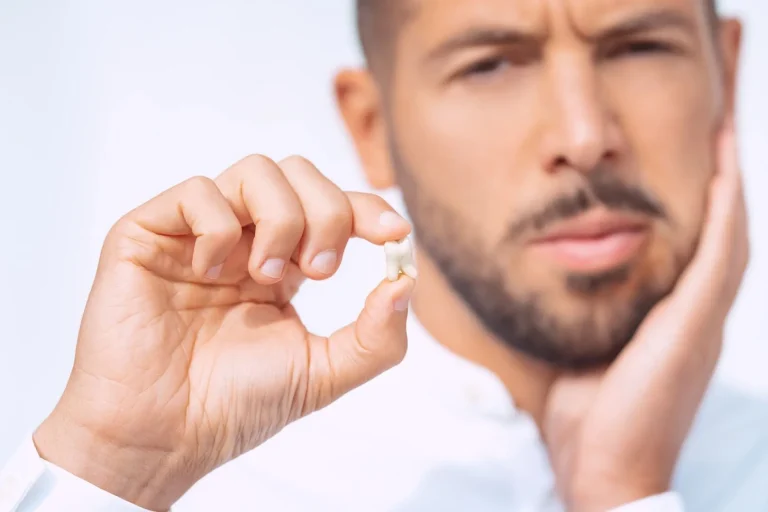
Healthy baby teeth enable children to chew properly, which is essential for proper nutrition. They also contribute to the development of clear speech. Losing baby teeth prematurely due to decay can lead to speech impediments or misaligned permanent teeth.
Furthermore, baby teeth hold space in the jaw for permanent teeth. If a baby tooth is lost too early, the adjacent teeth can shift, leading to crowding and spacing issues when permanent teeth erupt. This can result in the need for orthodontic treatments later on.
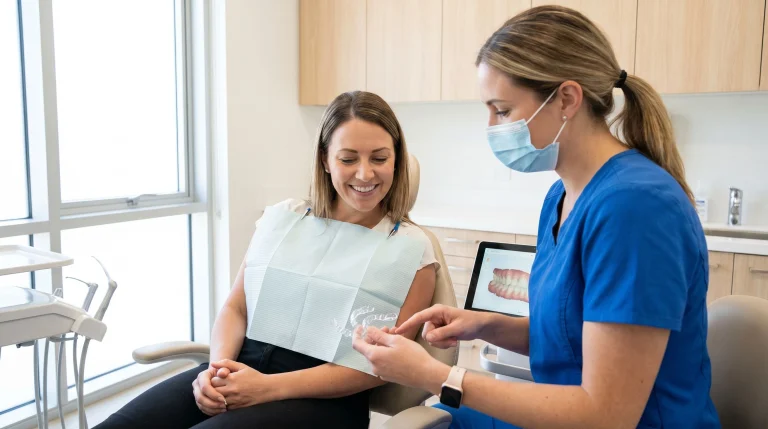
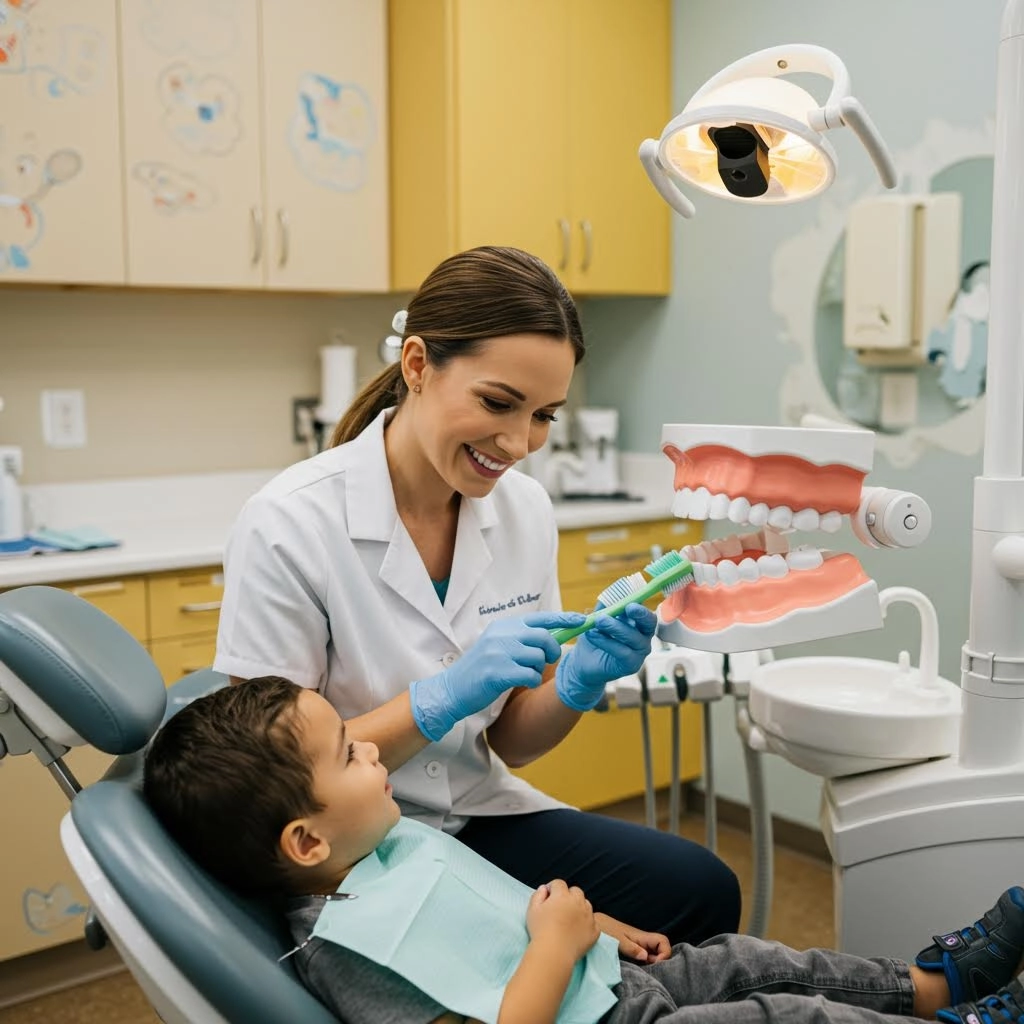
Regular visits to a pediatric dentist in Houston or your local area can help monitor the health of your child’s teeth and address any potential issues early on. These check-ups also familiarize your child with the dentist, reducing anxiety and promoting a positive attitude towards dental care.
In conclusion, caring for your child’s baby teeth is crucial for their overall health and well-being. By starting early, using proper techniques, and understanding the importance of baby teeth, you can ensure your child develops healthy habits that will protect their smile for a lifetime.